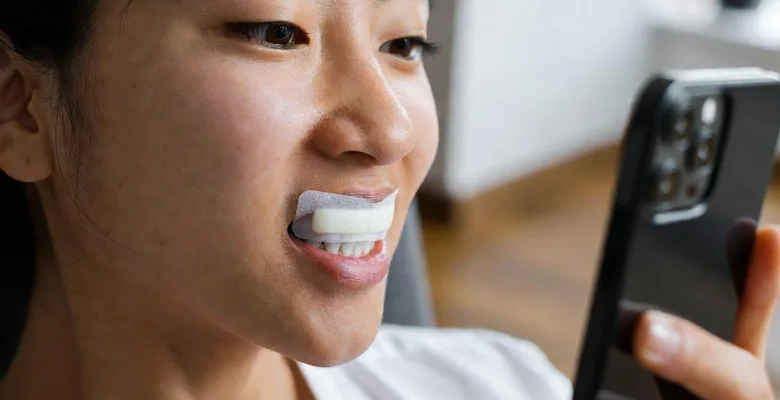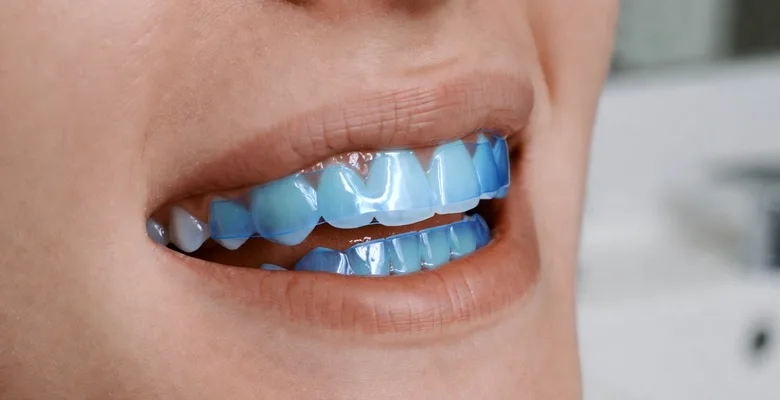
You slapped on your first whitening strip and you're already checking the mirror. I get it — patience is hard when you want whiter teeth. Here's the realistic timeline so you know exactly what to expect and don't toss the box out too early.
Day-by-Day Results Timeline
| Day | What You'll Notice |
|---|---|
| Day 1–2 | Nothing visible yet. The peroxide is starting to penetrate enamel but hasn't broken down enough stain molecules to see a difference. |
| Day 3–5 | First visible changes — teeth look slightly brighter, especially in good lighting. Others probably won't notice yet, but you will. |
| Day 7–10 | Noticeable improvement. About 1–2 shades lighter. Other people will start to notice. Most common comment: "did you do something different?" |
| Day 14–21 | Full results achieved. 3–5 shades lighter. The peroxide has reached its peak penetration and stain removal. |
| After 4+ weeks | Results stabilize. Shade may bounce back slightly (1/2 shade) as teeth rehydrate, which is normal. |
Popular Whitening Strip Brands Compared
| Product | Peroxide % | Course Length | Wear Time | Price |
|---|---|---|---|---|
| Crest 3D White Professional Effects | 10% hydrogen peroxide | 20 days | 30 min/day | $40–$50 |
| Crest 3D White Glamorous White | 10% hydrogen peroxide | 14 days | 30 min/day | $30–$40 |
| Crest 3D White 1-Hour Express | 14% hydrogen peroxide | 7 days | 60 min/day | $40–$50 |
| Lumineux Whitening Strips | No peroxide (coconut oil based) | 7 days | 30 min/day | $20–$25 |
| Zimba Whitening Strips | 6% hydrogen peroxide | 14 days | 30 min/day | $20–$25 |
Bottom line: Crest dominates this market for a reason — they have the most research behind them and consistently deliver the best results. If budget is a concern, Zimba is a solid alternative at a lower price point.
What Stains Strips Can (and Can't) Remove
Works well on ✅
- Yellow stains from coffee, tea, wine, cola, and tobacco
- Age-related yellowing — teeth naturally darken over time
- Surface stains from food coloring and dark-pigmented foods
Doesn't work well on ❌
- Gray or brownish teeth — often caused by tetracycline antibiotics taken during childhood
- Fluorosis stains — white or brown spots from excess fluoride during tooth development
- Internal discoloration — from trauma, dead nerve, or internal bleeding within the tooth
- Dental restorations — crowns, veneers, fillings won't change color with whitening strips
6 Tips to Get Better Results
- Brush before applying — removes the plaque layer so peroxide contacts enamel directly. Wait 30 minutes after brushing to avoid sensitivity.
- Dry your teeth — pat your teeth dry with a tissue before applying strips. Saliva dilutes the peroxide. Dry teeth = better adhesion and stronger contact.
- Press firmly — use your finger to mold the strip tightly against each tooth surface, especially between teeth. Air pockets mean uneven whitening.
- Don't eat or drink dark stuff during the course — your enamel is more porous during whitening treatment. Coffee, wine, and berries stain MORE easily while you're using strips.
- Be consistent — skipping days reduces effectiveness. Use them every single day as directed.
- Don't overdo it — more isn't better. Leaving strips on longer than recommended or using multiple times per day causes sensitivity without extra whitening benefit.
Dealing With Sensitivity
About 40–50% of people experience some sensitivity during whitening strip use. Here's how to manage it:
- Use a sensitive toothpaste (Sensodyne) for 2 weeks before and during the whitening course — potassium nitrate desensitizes tooth nerves
- Reduce wear time — try 15–20 minutes instead of 30 if sensitivity is bad
- Skip a day — taking a 1-day break won't significantly impact results but gives your teeth a rest
- Avoid very hot or cold foods/drinks during the treatment course
- Don't brush immediately before applying — brushing can temporarily open dentin tubules and increase sensitivity
Sensitivity is temporary and always resolves within a few days of finishing the whitening course.
How to Maintain Your Results
- Rinse with water after drinking coffee, tea, or wine
- Use a whitening toothpaste (gently abrasive) for daily maintenance
- Touch-up treatments: Use strips for 3–5 days every 3–6 months to maintain your shade
- Drink dark beverages through a straw to minimize contact with front teeth
- Don't smoke — tobacco is the most aggressive tooth-staining substance
Results typically last 6 to 12 months without touch-ups. With periodic maintenance and good habits, you can keep your whitened shade indefinitely.
Frequently Asked Questions
Want to learn more about teeth whitening?
Read Our Complete Teeth Whitening Guide →