I know this isn't what most people want to hear when they search for "how to cure receding gums naturally." The internet is full of articles promising that coconut oil, aloe vera, or green tea will reverse your gum recession. I wish that were true, but it's not — and spreading that myth actually hurts people by delaying real treatment.
What I can tell you is how to stop recession from progressing, how to keep your gums as healthy as possible, and when it's time to see a professional. Let's get into it.
The Reality Check You Need
Gum tissue is not like skin. When you cut your skin, your body produces new cells to close the wound. Gum tissue doesn't work that way. Once the gum has pulled away from the tooth, no natural remedy can make it grow back. This is a biological fact, not an opinion.
But here's where I can offer real hope: recession is almost always progressive — meaning it gets worse over time if the cause isn't addressed. If you can identify and fix the cause, you can halt the recession right where it is. For many people, especially those with mild recession (1–2mm), stopping it from progressing is all you need.
Why Your Gums Are Receding
Before you can fix it, you need to figure out why it's happening. Here are the most common culprits:
You're brushing too hard
This is the #1 cause in people with otherwise healthy gums, and it's shockingly common. If you use a hard or medium bristle toothbrush, or if you brush with a back-and-forth sawing motion, you're literally scrubbing your gum tissue away — millimeter by millimeter, year after year. If your toothbrush bristles are splayed out after a couple of months, you're pressing way too hard.
Gum disease (periodontal disease)
The #1 cause overall. Bacteria from plaque and tartar cause chronic inflammation that slowly destroys the gum tissue and the bone underneath. This is the more serious type of recession because bone loss is involved, and once bone is gone, the gum can't reattach even if the inflammation is controlled.
Genetics
Some people are born with thinner gum tissue that's more susceptible to recession. If your parents had receding gums, you're at higher risk. It doesn't mean recession is guaranteed, but you need to be extra careful with your oral hygiene habits.
Teeth grinding (bruxism)
Clenching and grinding puts enormous force on your teeth, which gets transferred to the surrounding bone and gum tissue. Over time, this force can cause both bone loss and gum recession, especially on the outer (cheek-facing) surfaces of your teeth.
Tobacco use
Smoking or chewing tobacco reduces blood flow to the gums, weakens the immune response, and promotes plaque buildup. Smokers are significantly more likely to develop gum disease and recession compared to non-smokers.
Misaligned teeth
When teeth are crooked or out of alignment, the forces of biting don't distribute evenly. Teeth that stick out or are rotated can have thinner bone and gum tissue on the exposed side, making them prone to recession. This is actually one case where braces might help your gum health.
8 Things That Actually Help (Evidence-Based)
1. Switch to a soft-bristle toothbrush
This is the single easiest change you can make, and it's free. Throw out your medium or hard brush today. Soft bristles clean just as effectively and won't abrade your gum tissue. Better yet, switch to an electric toothbrush with a pressure sensor — brands like Oral-B and Sonicare have models that alert you when you're pressing too hard.
2. Fix your brushing technique
Use the modified Bass technique: angle your brush at 45 degrees toward the gumline, use gentle circular motions (not back-and-forth scrubbing), and let the bristles do the work. You need about 2 minutes total — most people rush through in 30 seconds. An electric toothbrush largely solves the technique problem because it does the brushing motion for you.
3. Floss every single day
Plaque between teeth is a major driver of gum disease, which is a major driver of recession. If regular floss is hard for you, try floss picks, a water flosser (Waterpik), or interdental brushes. Any of these are better than nothing. The best time to floss is before bed, after your last snack.
4. Use an anti-gingivitis mouthwash
Look for mouthwashes with cetylpyridinium chloride (CPC) or chlorhexidine (prescription). These actually kill the bacteria that cause gum disease. CPC options you can buy over the counter include Crest Pro-Health and Colgate Total. Chlorhexidine (Peridex) is stronger but can stain teeth with prolonged use — use it for 2 weeks at a time when your gums are flaring up.
5. Get professional cleanings regularly
Even with perfect home care, tartar (calculus) builds up in places you can't reach. Once plaque hardens into tartar, only a dental hygienist can remove it. Twice a year is standard. If you have active gum disease, your dentist may recommend cleanings every 3 to 4 months.
6. Address teeth grinding
If you grind your teeth at night (many people don't even realize they do), a custom night guard from your dentist ($300–$500) can protect your teeth and gums from the excessive force. Signs you might be grinding: jaw soreness in the morning, headaches, worn-down or chipped teeth, and recession that's worse on the outer surfaces of your teeth.
7. Quit smoking
I know this is easier said than done, but the evidence is crystal clear. Smokers are 3 to 6 times more likely to develop severe gum disease compared to non-smokers. Quitting is one of the single best things you can do for your gum health. Talk to your doctor about cessation aids — nicotine gum, patches, or prescription medications can double your chances of quitting successfully.
8. Eat for gum health
While no food can regrow gum tissue, a nutrient-rich diet supports your body's ability to fight gum infection and maintain healthy tissue:
- Vitamin C: Essential for collagen production (gum tissue is mostly collagen). Citrus, bell peppers, strawberries, broccoli
- Vitamin D: Supports bone health underneath your gums. Sunlight, fatty fish, fortified milk
- Omega-3 fatty acids: Anti-inflammatory. Salmon, mackerel, walnuts, flaxseed
- CoQ10: Some studies suggest it supports gum tissue healing. Available as supplement (100mg/day)
Natural "Cures" That Don't Work
These show up in every "natural gum cure" article online. I want to be clear about what the evidence actually says:
❌ Oil pulling
Swishing coconut or sesame oil for 20 minutes might modestly reduce bacteria levels, but it will not regrow gum tissue. There's no mechanism by which oil could stimulate gum cell growth. It's not harmful as an add-on, but don't rely on it.
❌ Aloe vera gel
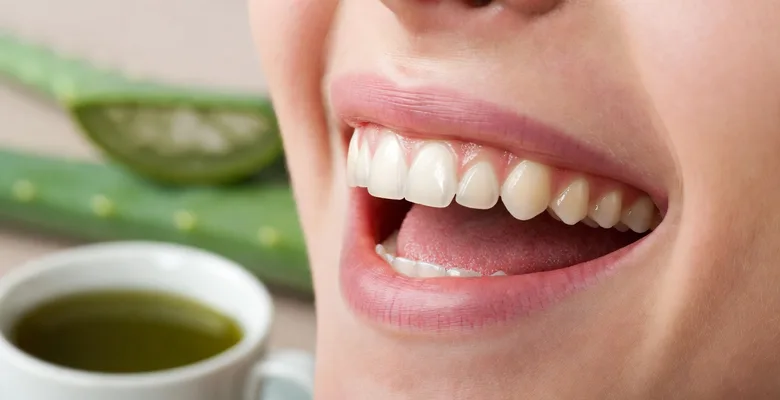
Aloe vera has anti-inflammatory properties and can soothe irritated gums. That's nice for symptom relief, but it won't reverse recession. Same story with green tea rinses and turmeric paste — they may reduce inflammation but they can't rebuild tissue.
❌ Essential oils
Tea tree oil, peppermint oil, and clove oil have some antimicrobial properties. But applying concentrated essential oils directly to your gums can actually burn the tissue and make things worse. If you want to use essential oils, stick to mouthwashes that contain them in diluted, tested concentrations (like Listerine, which contains thymol and eucalyptol).
❌ Hydrogen peroxide rinse
Diluted hydrogen peroxide (1.5–3%) can kill bacteria, but regular use can irritate gum tissue and delay healing. It's occasionally useful for acute gum infections, but it's not a daily-use remedy for recession.
Warning Signs You Need a Dentist Now
Trying to manage recession at home is reasonable for mild cases, but there are red flags that mean you need professional help sooner rather than later:
- Teeth look visibly longer than they used to
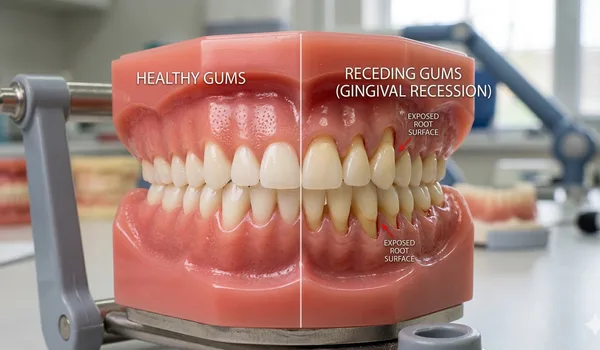
- You can see the yellowish root surface below the gumline
- Teeth are sensitive to cold, heat, or sweets (exposed roots don't have enamel protection)
- Gums bleed when you brush or floss
- Gums are red, swollen, or puffy instead of pink and firm
- Teeth feel loose or have shifted position
- Bad breath that doesn't go away with brushing
- Recession is getting worse despite improving your home care
Any of these symptoms warrant a dental visit. Your dentist can measure the recession, check for bone loss with X-rays, and determine whether you need professional treatment.
Professional Treatments That Do Work
When home care isn't enough, these are the proven professional options:
| Treatment | What It Does | Cost | Best For |
|---|---|---|---|
| Deep cleaning (SRP) | Removes tartar below the gumline | $200–$400 per quadrant | Active gum disease |
| Gum graft | Covers exposed roots with transplanted tissue | $600–$3,000 per area | Moderate to severe recession |
| Pinhole technique | Repositions gums without cutting | $1,500–$3,000 | Multiple teeth, less invasive |
| Bonding/composite | Covers exposed root with tooth-colored filling | $150–$300 per tooth | Mild recession with sensitivity |
Frequently Asked Questions
Want to learn more about protecting your gums?
Read Our Complete Gum Health Guide →