Finding out your permanent tooth is loose is one of those moments where your stomach drops. Unlike a kid's baby tooth, this one isn't supposed to come out. So your first instinct is probably to wiggle it (don't) and search for answers (good move).
The good news: loose teeth can sometimes be saved and tightened. The bad news: it depends entirely on what's causing it, and time matters. Let me walk you through everything.
Why Your Tooth Is Loose
Gum disease (most common)
This is the cause in about 70% of cases. Gum disease (periodontitis) causes gradual bone loss around the teeth. As the bone level drops, there's less support holding the tooth in place. By the time a tooth feels loose, there's usually been significant bone loss happening silently for months or years. Bleeding gums, bad breath, and gum recession are typical warning signs that precede looseness.
Trauma / injury
A blow to the face, a fall, biting something unexpectedly hard, or a sports injury can damage the periodontal ligament — the connective tissue fibers that anchor the tooth to the bone. The tooth loosens, but the bone itself may be intact. This is actually the most treatable cause because the supporting structures are usually healthy and just need time to heal.
Teeth grinding (bruxism)
Chronic grinding puts immense lateral force on teeth. Over time, this force can damage the periodontal ligament and even cause bone loss, leading to looseness. If you grind at night, you might not even know you're doing it — but your dentist can often see the signs (worn tooth surfaces, scalloped tongue, sore jaw muscles).
Pregnancy
Elevated estrogen and progesterone during pregnancy can temporarily loosen the periodontal ligament, making teeth feel slightly mobile. This usually resolves after delivery. However, pregnancy also increases the risk of gum inflammation (pregnancy gingivitis), which can compound the problem.
Abscess / infection
An infection at the tip of the tooth root can destroy surrounding bone, loosening the tooth. You'll usually notice throbbing pain, swelling, and possibly a small pimple-like bump on the gum. This needs urgent treatment — the infection can spread if left alone.
Can a Loose Tooth Tighten Back Up?
| Cause | Can It Tighten? | How |
|---|---|---|
| Trauma | ✅ Usually yes | Splinting + time (2–4 weeks) |
| Gum disease (mild) | ✅ Often yes | Deep cleaning + improved home care |
| Gum disease (severe) | ⚠️ Sometimes | Periodontal surgery + bone grafting |
| Grinding | ✅ Yes, if caught early | Night guard + bite adjustment |
| Pregnancy | ✅ Usually resolves | Time + good hygiene during pregnancy |
| Abscess | ✅ Yes, with treatment | Antibiotics + root canal or extraction |
| Severe bone loss (50%+) | ❌ Unlikely | Tooth may need extraction + replacement |
What to Do Right Now
- Stop touching it. Don't wiggle it with your finger or tongue. Every time you move it, you damage the ligament fibers that are trying to hold it in place.
- Eat on the other side. Avoid putting any biting force on the loose tooth. Stick to soft foods on the opposite side of your mouth.
- Do a gentle salt water rinse. 1/2 teaspoon salt in warm water. Swish gently (don't swish hard). This reduces bacteria and inflammation around the tooth.
- Take ibuprofen if there's pain or swelling. 400mg every 6 hours — it reduces inflammation that may be contributing to the looseness.
- Call your dentist. A loose permanent tooth should be seen within 1 to 3 days. If it was caused by trauma and is very loose, it's a same-day emergency.
Professional Treatments
Deep cleaning (scaling and root planing)
If gum disease is the cause, this is the first-line treatment. Your dentist or hygienist cleans below the gumline, removes tartar from the root surfaces, and smooths the roots so your gums can reattach. Cost: $200–$400 per quadrant. After a deep cleaning, many patients notice their teeth feeling firmer within 2 to 4 weeks as the gums heal and tighten around the roots.
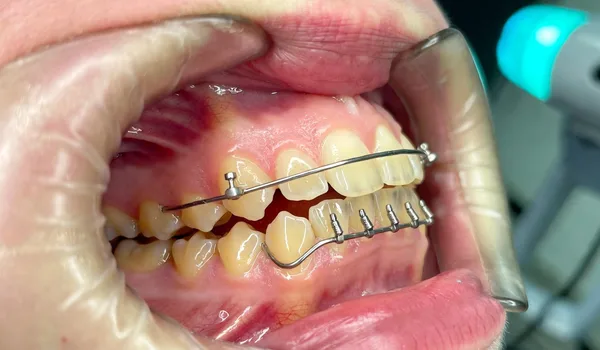
Dental splinting
For trauma-loosened teeth, your dentist bonds the loose tooth to the stable neighboring teeth using a thin wire or composite resin. This holds the tooth still while the periodontal ligament heals — similar to how a cast immobilizes a broken bone. The splint stays on for 2 to 4 weeks and is then removed. Cost: $200–$600.
Night guard / bite adjustment
If grinding is the cause, a custom night guard protects teeth from the damaging forces. Your dentist may also adjust your bite (selective grinding of high spots) so forces distribute more evenly. Cost: $300–$500 for a custom guard.
Bone grafting
In cases of significant bone loss from gum disease, bone grafting material can be placed to regenerate lost bone. This is often combined with guided tissue regeneration (a membrane that helps bone grow back). It's a surgical procedure done by a periodontist. Cost: $500–$3,000 depending on the extent.
Root canal
If an abscess is causing the looseness, root canal treatment removes the infection from inside the tooth. Once the infection resolves, the surrounding bone can heal and the tooth firms up. Cost: $800–$1,500.
Home Care to Support Healing
Whatever treatment your dentist provides, these home habits will help your tooth tighten up:
- Brush with a soft toothbrush — gentle circles, 2 minutes, twice daily. Don't scrub the loose area aggressively, but don't skip it either. Clean gums heal faster.
- Floss carefully around the loose tooth — slide the floss in gently and pull it through the side rather than snapping it up and down.
- Salt water rinses — 2–3 times daily for the first 2 weeks. Anti-bacterial and anti-inflammatory.
- Eat gum-healthy foods — Vitamin C is essential for gum tissue repair (citrus, bell peppers, broccoli). Calcium and Vitamin D support bone health.
- Stop smoking — reduces blood flow to the gums and sabotages healing. This alone can be the difference between saving and losing a tooth.
- Avoid chewing on the loose side — for at least 2–4 weeks after treatment.
How Long Does It Take to Tighten?
| Cause | Tightening Timeline |
|---|---|
| Trauma (with splint) | 2–4 weeks |
| Gum disease (after deep cleaning) | 2–8 weeks |
| Grinding (with night guard) | 4–8 weeks |
| Pregnancy hormones | Resolves postpartum |
| Abscess (after root canal) | 4–12 weeks for bone to heal |
| Bone grafting | 3–6 months |
When a Loose Tooth Can't Be Saved
Sometimes extraction is the best option:
- Bone loss exceeds 50–75% around the tooth — there's not enough support left to hold it
- The tooth is mobile in all directions (not just side to side, but in and out of the socket)
- Chronic, unresponsive infection that doesn't resolve with treatment
- The loose tooth is damaging neighboring teeth by shifting or causing food traps
If the tooth needs to come out, replacement options include dental implants, bridges, or partial dentures.
Frequently Asked Questions
More questions about dental extractions?
Read Our Complete Tooth Extraction Guide →