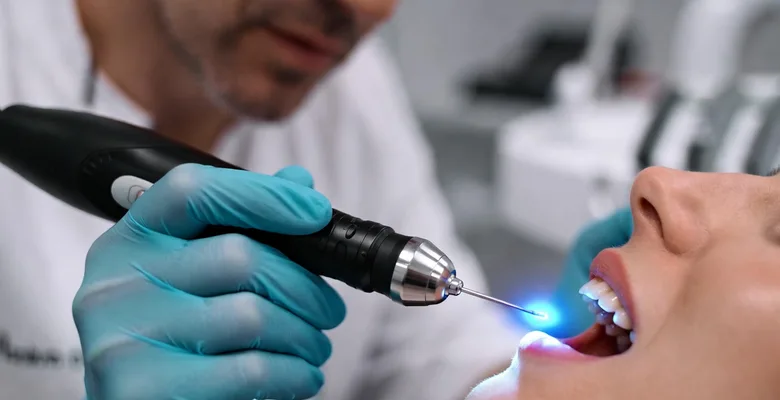
It's 2 AM. You're exhausted. And your tooth is screaming at you. I've been there — everyone who's ever had a bad toothache has been there. There's something uniquely miserable about tooth pain at night when you can't see a dentist, can't distract yourself, and just want to sleep.
Here's everything I know about getting through the night. These are temporary fixes — you absolutely need to see a dentist as soon as possible — but they'll help you survive until morning.
Why Toothaches Get Worse at Night
It's not your imagination. Toothaches genuinely are more intense at night, and there are real physiological reasons:
- Blood pressure to your head increases when you lie down. More blood flow to the inflamed area means more pressure, more swelling, and more pain. This is the biggest reason.
- No distractions. During the day your brain is processing a million things — work, conversations, your phone. At night, in a dark, quiet room, pain becomes the loudest signal your brain is receiving.
- Your cortisol drops. Cortisol is your body's natural anti-inflammatory hormone, and it's at its lowest levels between midnight and 4 AM. Less natural inflammation control = more pain.
- Late-night eating. If you snacked before bed, food debris sitting against a cavity can increase irritation and bacterial acid production.
11 Tips to Sleep Through the Pain
1. Elevate your head
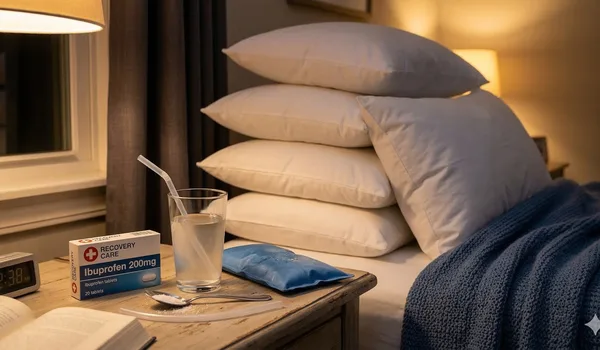
This is the single most effective position change. Stack 2–3 pillows or use a wedge pillow so your head is elevated about 30 to 45 degrees. This reduces blood flow to your head and lowers pressure on the inflamed tooth. It works quickly and costs nothing.
2. Take ibuprofen before bed
Ibuprofen (Advil, Motrin) at 400–600mg is your best friend right now. It's an anti-inflammatory that tackles both the pain and the swelling causing it. Take it 30 minutes before you want to sleep so it kicks in by the time your head hits the pillow. Set an alarm for 6 hours later to take another dose if needed.
3. Cold compress on your cheek
Wrap ice or a bag of frozen peas in a thin towel and hold it against the outside of your cheek near the sore tooth. 15 minutes on, 15 minutes off. Cold numbs the nerve endings and constricts blood vessels, reducing both pain and swelling. Don't put ice directly on skin — you'll get a cold burn.
4. Salt water rinse
Mix half a teaspoon of salt in 8 ounces of warm water and swish gently for 30 seconds, especially around the sore tooth. Spit it out. This does three things: reduces bacteria, draws out fluid from swollen tissue (osmotic effect), and can dislodge food debris that's sitting in a cavity. It won't eliminate the pain, but it often takes the edge off.
5. Apply clove oil
Clove oil contains eugenol, which is a natural anesthetic. Dentists have used eugenol-based products for decades. Put a drop or two on a cotton ball and hold it against the sore tooth for 5–10 minutes. It tastes terrible and causes a tingling/numbing sensation. You can find clove oil at most pharmacies or health food stores.
6. Use a numbing gel
Over-the-counter benzocaine gels like Orajel or Anbesol can numb the area enough to fall asleep. Apply a small amount directly to the painful tooth and surrounding gum with a clean finger or cotton swab. Reapply as needed. The numbness lasts about 30 to 60 minutes.
7. Sleep on the opposite side
If the pain is on the left side of your mouth, sleep on your right side (and vice versa). This keeps the painful side elevated and reduces blood pooling around the inflamed area.
8. Avoid trigger foods before bed
Anything hot, cold, sweet, or acidic can wake up a quiet toothache. No ice cream, no hot tea, no candy. If you need to eat something, stick to room-temperature, soft, bland foods. Brush gently afterward (avoiding the painful area if your toothbrush triggers pain).
9. Try a cold compress on the roof of your mouth
If the pain is in an upper tooth, sucking on a small piece of ice or holding a cold wet teabag against the painful area can provide temporary relief. Peppermint tea bags are especially popular for this since menthol has a mild numbing effect.
10. Distract your brain
I know this sounds unscientific, but pain perception is genuinely influenced by attention. Listen to a podcast, audiobook, or calming music in the dark. Some people find guided meditation or sleep stories helpful. The goal is to give your brain something to process other than the pain signal.
11. Hydrogen peroxide rinse
Mix equal parts 3% hydrogen peroxide and water. Swish for 30 seconds and spit. This can help if the toothache is caused by an infection — the peroxide kills some bacteria and can reduce inflammation in the gum tissue. Don't swallow it, and don't use it more than 2–3 times.
The Best Pain Relief Strategy
If OTC meds are your only option tonight, here's the most effective approach:
The ibuprofen + acetaminophen alternating method
This is what dentists recommend for patients after procedures, and it works better than either drug alone:
- 9 PM: Take 400–600mg ibuprofen (Advil)
- 12 AM: Take 500–1000mg acetaminophen (Tylenol) — set an alarm
- 3 AM: Take another 400–600mg ibuprofen — set another alarm
- 6 AM: Take acetaminophen again if needed
This gives you overlapping pain relief around the clock without exceeding safe doses of either medication. Do NOT exceed 3200mg ibuprofen or 3000mg acetaminophen in 24 hours.
Important: Do NOT take ibuprofen on an empty stomach — eat a few crackers or a piece of bread with it. And never combine acetaminophen with alcohol.
What NOT to Do
- Don't put aspirin directly on the tooth. This is an old folk remedy that can chemically burn your gum tissue and make things worse.
- Don't apply heat. A heating pad feels good on muscle aches but can worsen dental infections by increasing blood flow and bacterial activity.
- Don't lie flat. This increases pressure on the tooth and guarantees worse pain.
- Don't ignore spreading swelling. If your face is swelling and getting bigger, that's an infection spreading. See the ER section below.
- Don't drink alcohol to numb the pain. It may dull things temporarily, but alcohol increases inflammation and dehydrates you, which worsens pain later in the night.
When It's an Emergency
Most toothaches can wait until morning. However, go to the emergency room if you experience:
- Facial swelling spreading toward your eye, neck, or throat
- Difficulty breathing or swallowing
- Fever over 101°F (38.3°C) with facial swelling
- Uncontrollable bleeding from the mouth
- Trauma: knocked-out or severely broken tooth from an injury
These can indicate a spreading dental infection (cellulitis or abscess) that requires emergency antibiotics and possibly surgical drainage. Dental infections that spread toward the throat can become life-threatening.
What to Do in the Morning
You survived the night. Now:
- Call your dentist as soon as they open — most offices reserve emergency slots for patients in pain
- If your dentist can't see you today, call other offices and ask for an emergency appointment. Most dentists will fit in a patient who's in acute pain.
- If it's a weekend or holiday, search for emergency dental clinics in your area — many cities have them
- Continue the pain management routine until your appointment
The sooner you get treatment, the simpler and cheaper the fix will be. A cavity that needs a $200 filling today could need a $1,000+ root canal if you wait until the infection reaches the nerve.
Frequently Asked Questions
Need help with other types of tooth pain?
Read Our Complete Tooth Pain Guide →