You've just been told you need a crown, and your first question is probably: "How many appointments is this going to take?" I get it. Nobody wants to spend more time in the dentist's chair than absolutely necessary.
The good news is that getting a crown isn't the marathon procedure most people imagine. Let me walk you through exactly what happens at each stage so you know what to expect.
The Complete Crown Timeline
| Stage | Time | What Happens |
|---|---|---|
| Appointment 1 | 60–90 min | Tooth preparation, impressions, temporary crown placed |
| Lab fabrication | 7–14 business days | Dental lab creates your custom permanent crown |
| Appointment 2 | 30–45 min | Temporary removed, permanent crown fitted and cemented |
| Total | 2–3 weeks | About 2 hours of chair time spread across 2 visits |
That's the traditional route that most people still take. If your dentist has a CEREC or similar milling machine, you can skip the lab wait entirely and get the whole thing done in one visit.
Appointment 1: Preparing Your Tooth (60–90 Minutes)
This is the longer appointment. Here's what happens step by step:
Numbing up (5–10 min)
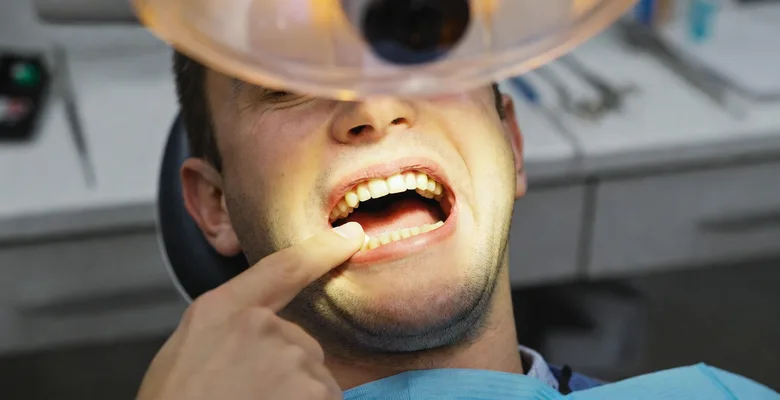
Your dentist numbs the area with local anesthesia. Same stuff they use for fillings. You'll feel a brief pinch from the injection, then nothing for the rest of the appointment.
Shaping the tooth (15–25 min)
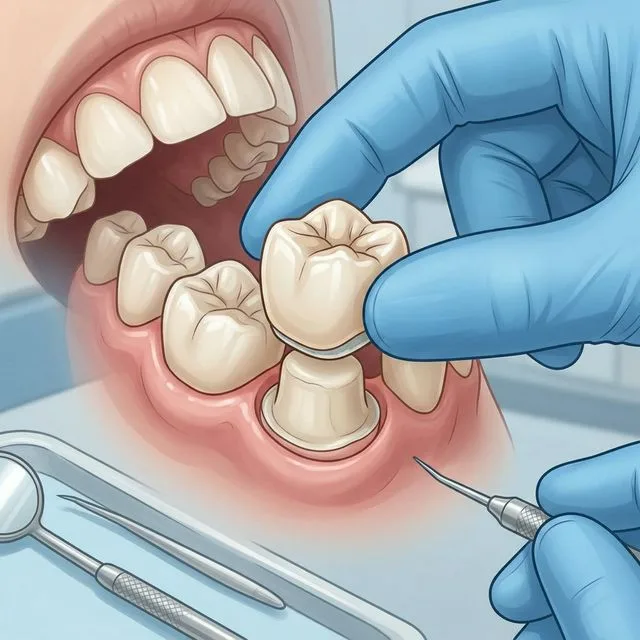
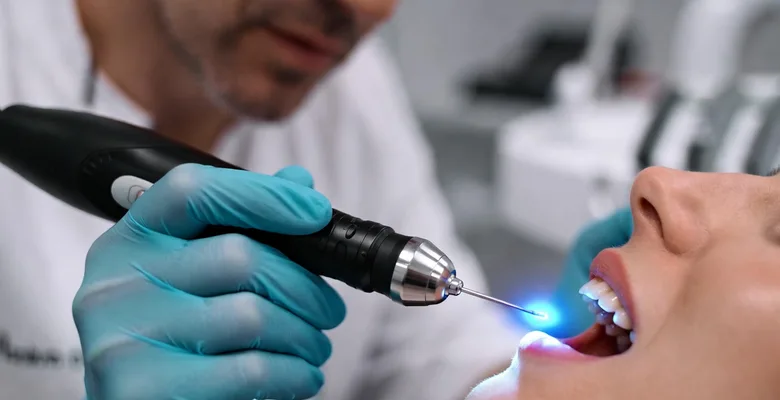
This is the part that sounds worse than it is. Your dentist uses a drill to remove a thin layer (about 1 to 2mm) from all sides of the tooth, creating a smaller "peg" or "stump" shape. This creates space for the crown to fit over the tooth like a cap. If your tooth is already damaged or has a large filling, there may not be much shaping needed — in those cases, your dentist might actually build up the tooth with composite material to give the crown something solid to grab onto.
Taking impressions (5–15 min)
This is how the lab knows exactly what shape to make your crown. There are two methods:
- Traditional impression: You bite down on a tray filled with putty-like material for about 2 minutes. It's not the most pleasant sensation, but it's quick.
- Digital scan: Your dentist waves a small camera wand around your teeth and creates a 3D model on a computer screen. No goo, no gagging. More and more offices are switching to this method.
The impressions capture not just the prepared tooth, but also the surrounding teeth and your bite alignment. The lab needs all of this information to make a crown that fits perfectly and meets your opposing teeth correctly.
Shade matching (2–3 min)
Your dentist holds up a shade guide (basically a row of tooth-colored tabs) next to your natural teeth and picks the color that matches best. Some offices use a digital shade-taking device that's even more precise. This step is crucial for front teeth where you want the crown to blend in seamlessly.
Placing the temporary crown (5–10 min)
Your dentist makes a temporary acrylic crown right there in the office and cements it with weak temporary cement. This protects the prepared tooth and keeps you looking normal while you wait for the permanent crown. Temporary crowns are designed to last 2 to 3 weeks, which is usually plenty of time.
The Waiting Period (1–2 Weeks)
After your first appointment, the impressions get sent to a dental lab. Here's what happens there:
- A technician creates a stone model of your teeth from the impressions
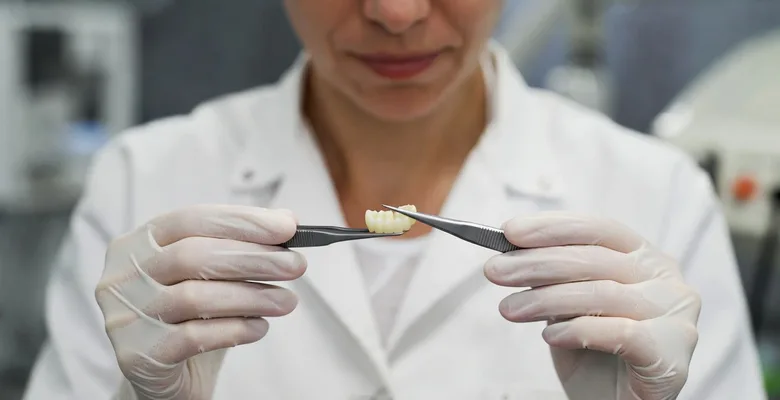
- They build your crown on the model, layering porcelain or milling zirconia to exact specifications
- The crown is fired in a kiln, polished, and color-adjusted
- It's shipped back to your dentist's office
Standard lab turnaround is 7 to 14 business days. Some labs offer rush service in 3 to 5 days, but your dentist might charge a premium for that.
During this time, take care of your temporary crown — avoid sticky and hard foods on that side, and be gentle when flossing around it.
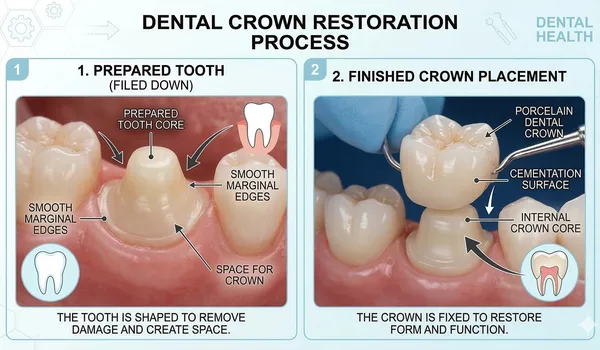
Appointment 2: Getting Your Permanent Crown (30–45 Minutes)
This visit is the easy one:
Removing the temporary (2–3 min)
Your dentist pops off the temporary crown — usually no numbing needed for this part. The weak temporary cement is designed to come off easily.
Trial fitting (5–10 min)
The permanent crown is placed on your tooth and checked for fit, bite alignment, and color. Your dentist will have you bite down on articulating paper and ask how it feels. If the bite is slightly off, they'll adjust it right there with a drill (this takes seconds and doesn't hurt). If the color doesn't match, which is rare, the crown goes back to the lab.
Cementing (5–10 min)
Once everything looks and feels right, the inside of the crown is coated with permanent dental cement, placed on the tooth, and held in position while the cement sets.
Final adjustments (5 min)
Your dentist checks the bite one more time, cleans off excess cement, flosses around the crown to make sure the contacts with neighboring teeth aren't too tight, and you're done.
Same-Day Crowns: How They Work
If the idea of coming back for a second appointment and wearing a temporary crown for 2 weeks sounds annoying, same-day crowns might be for you. Here's how they work:
- Tooth prep (20–30 min) — Same as the traditional process
- Digital scan (5 min) — A 3D scanner captures your teeth (no impressions needed)
- Computer design (10–15 min) — Your dentist designs the crown on a screen using CAD software
- Milling (15–20 min) — A machine carves the crown from a solid block of ceramic right in the office
- Staining and glazing (10–20 min) — The crown is color-customized and fired in a small oven
- Fitting and cementing (15 min) — Crown goes on, bite is checked, and you're done
Total time: about 2 hours. One visit, no temporary crown, no waiting.
Same-day crowns are great for back teeth and work well for most front teeth too. The materials have improved dramatically over the last few years — modern CAD/CAM ceramics are nearly as strong and natural-looking as lab-made crowns. The only situation where a traditional lab crown might still be preferred is for highly visible front teeth in patients who want the absolute best cosmetic result, since skilled lab technicians can create incredibly realistic layered porcelain restorations that even the best milling machines can't quite replicate yet.
Crown Types and How They Affect Timing
| Crown Material | Lab Time | Best For | Cost (2026) |
|---|---|---|---|
| Porcelain-fused-to-metal (PFM) | 10–14 days | Back teeth, strong + decent looks | $800–$1,200 |
| All-porcelain / e.max | 7–14 days | Front teeth, best cosmetics | $900–$1,500 |
| Zirconia | 7–10 days | Anywhere, strongest ceramic | $900–$1,400 |
| Gold | 10–14 days | Back teeth, extremely durable | $1,000–$2,500 |
| CEREC (same-day) | 2 hours (in-office) | Anywhere, convenience | $900–$1,400 |
Zirconia has become the most popular choice in 2026 for its combination of strength and aesthetics. It's nearly as strong as metal, looks natural, and labs are very comfortable working with it. E.max porcelain is still the gold standard for front teeth when cosmetics are the top priority.
What Can Make the Process Take Longer
Sometimes the 2-to-3-week timeline gets extended. Here's why:
- You need a root canal first: If the tooth has an infection or the nerve is dying, you'll need a root canal before the crown. This adds 1 to 3 weeks to the timeline depending on the complexity.
- A post and core is needed: If the tooth is severely damaged with very little structure remaining, your dentist builds up a foundation (called a "core") before placing the crown. Sometimes a metal post is placed into the root canal for extra support.
- The crown doesn't fit the first time: Rarely, the lab crown doesn't match the bite or color well enough. It goes back for a remake, adding another 1 to 2 weeks.
- Gum tissue needs to heal: If your tooth broke at the gum line, the dentist might need to do a crown lengthening procedure to expose more tooth. You'll wait 6 to 8 weeks for healing before the crown prep.
What a Crown Costs in 2026
Since you're already here, you probably want to know the financial side too:
| Scenario | Cost Range |
|---|---|
| Crown without insurance | $800–$1,500 |
| Crown with insurance | $200–$500 out of pocket |
| Crown + root canal (no insurance) | $1,500–$3,000 |
| Crown at dental school | $400–$800 |
Most dental insurance covers crowns at 50% as a "major" procedure, after your deductible. Some plans have a waiting period of 6 to 12 months before major procedures are covered.
Frequently Asked Questions
Want to learn more about dental crowns?
Read Our Complete Dental Crowns Guide →