Dental implants aren't cheap — there's no way around that. But if you're missing a tooth or facing an extraction, they're the gold standard replacement option. The problem is that prices seem to vary wildly, and it's hard to know if you're getting ripped off or getting a deal.
I've researched pricing from over 50 Texas dental practices to give you a realistic picture of what you'll actually pay in 2026.
Single Implant Cost Breakdown
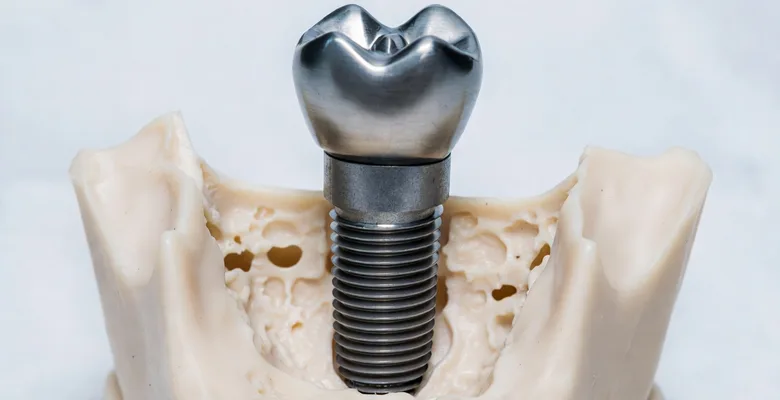
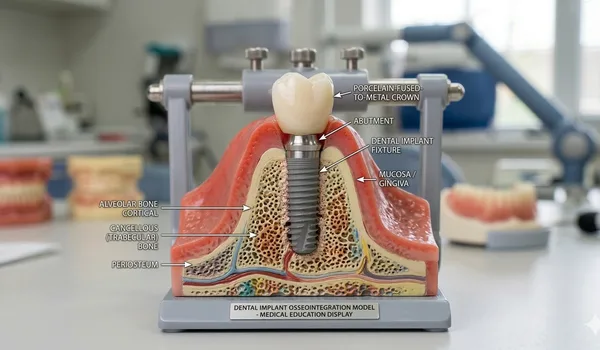
Most people don't realize that the "implant" is actually three separate components, each with its own cost:
| Component | What It Is | Cost in Texas |
|---|---|---|
| Implant post | Titanium screw placed in jawbone | $1,000–$3,000 |
| Abutment | Connector piece on top of the post | $300–$700 |
| Crown | Visible tooth-shaped cap | $500–$2,000 |
| Total per tooth | All three together | $1,500–$6,000 |
Additional costs that might apply:
- Bone graft (if jawbone is too thin): $300–$1,200
- Sinus lift (for upper back teeth): $1,500–$3,000
- Tooth extraction (if the old tooth is still there): $75–$400
- CT scan/3D imaging: $200–$500
Costs by Texas City
| City | Avg. Single Implant | Avg. All-on-4 (per arch) |
|---|---|---|
| Houston | $3,500–$5,500 | $20,000–$30,000 |
| Dallas / Fort Worth | $3,000–$5,500 | $18,000–$28,000 |
| Austin | $3,000–$5,000 | $18,000–$27,000 |
| San Antonio | $2,500–$4,500 | $15,000–$25,000 |
| El Paso | $1,500–$3,500 | $12,000–$22,000 |
| Lubbock / Amarillo | $1,500–$3,500 | $12,000–$20,000 |
| Corpus Christi | $2,000–$4,000 | $14,000–$23,000 |
| McAllen / RGV | $1,500–$3,500 | $12,000–$20,000 |
Why the variation? Office rent, specialist concentration (more implant dentists in big cities = more competition), and materials used. Major metro areas have higher overhead costs that get passed to patients.
Implant Types and Pricing
| Implant Type | Cost in Texas | Best For |
|---|---|---|
| Single implant | $1,500–$6,000 | Replacing one missing tooth |
| Implant bridge (2 implants + 3 crowns) | $4,000–$12,000 | Replacing 3–4 adjacent teeth |
| All-on-4 (full arch) | $15,000–$30,000 | Full upper or lower arch replacement |
| All-on-6 (full arch) | $20,000–$35,000 | Full arch with more stability |
| Mini implants | $500–$1,500 each | Denture stabilization, narrow bone |
| Zygomatic implants | $25,000–$40,000 | Severe upper jaw bone loss |
Does Insurance Cover Dental Implants in Texas?
The honest answer: partially, maybe.
- Dental insurance: Some plans cover implants as a "major procedure" at 50%, but you're still limited by your annual maximum (usually $1,000–$2,000). That means insurance might pay $500–$1,000 of a $4,000 implant. Many plans have a waiting period of 6–12 months before covering major procedures.
- Medical insurance: May cover the surgical placement if the tooth loss was due to an accident, trauma, or medical condition (cancer, congenital defect). The prosthetic (crown) is usually still dental insurance territory.
- Texas Medicaid: Generally does NOT cover dental implants for adults. Exceptions exist for certain medical conditions.
- Medicare: Original Medicare doesn't cover dental implants. Some Medicare Advantage plans include dental coverage that may partially cover implants.
5 Ways to Save on Dental Implants in Texas
1. Dental schools
Texas has excellent dental schools that offer implant placement at 40–60% less than private practice: UT Health San Antonio, Texas A&M College of Dentistry (Dallas), UTHealth Houston, and UT Southwestern. Work is done by supervised residents using the same materials. Expect longer appointments and more visits. A single implant at a dental school might run $1,200–$2,500 total.
2. Travel to smaller cities
You could save $1,000–$2,000 per implant by getting work done in El Paso, McAllen, or Lubbock instead of Houston or Dallas. Many excellent implant dentists practice in smaller markets where overhead is lower.
3. Cross-border dental tourism
Texas's proximity to Mexico makes dental tourism very accessible. Implants in a top Mexican clinic cost $800–$1,800 per tooth. El Paso residents frequently cross to Ciudad Juárez, and the McAllen/RGV area is close to several quality Mexican dental clinics. See our Mexico dental tourism guide for tips on choosing clinics.
4. Financing and payment plans
Most implant practices in Texas offer CareCredit, Sunbit, or in-house payment plans. CareCredit offers 0% interest promotions for 12–24 months. Splitting a $4,000 implant into 24 monthly payments of $167 is much more manageable.
5. Negotiate all-inclusive pricing
Ask for an all-inclusive package price rather than paying separately for each component. Many practices will offer a bundled rate that's 10–15% less than itemized pricing. Also get multiple quotes — prices vary significantly between practices in the same city.
Implants vs. Alternatives: Cost Comparison
| Option | Upfront Cost | Lifespan | 10-Year Cost |
|---|---|---|---|
| Dental implant | $3,000–$5,000 | 20–30+ years | $3,000–$5,000 |
| Dental bridge | $1,500–$3,500 | 8–15 years | $3,000–$7,000 |
| Partial denture | $500–$2,000 | 5–8 years | $1,000–$4,000 |
| Do nothing | $0 | N/A | $0 (but bone loss + shifting) |
Are Dental Implants Worth the Cost?
From a purely financial perspective, implants are the most expensive upfront but often the cheapest long-term option. Here's why:
- Bridges require grinding down healthy teeth on either side — those teeth may need crowns, root canals, or eventually implants themselves
- Dentures need replacing every 5–8 years and require adhesives, cleaning, and adjustments
- Bone loss accelerates where teeth are missing — implants are the only replacement that actually stimulates bone and prevents this
- Implants function like natural teeth — no food restrictions, no clicking, no slipping, no adhesive paste
The average implant lasts 25+ years (many last a lifetime). Compare that to bridges that last 10–15 years and dentures that last 5–8 years. Over a 30-year timeframe, implants usually cost the same or less than the alternatives.
Frequently Asked Questions
Learn more about dental implants:
Read Our Complete Dental Implants Guide →