If you're shopping around for braces in Texas, the pricing can feel all over the place. One orthodontist quotes you $3,800, the next one says $6,200, and you're left wondering if someone is ripping you off.
The truth? Both might be perfectly fair. Braces pricing depends on a bunch of factors — the type of braces, how complicated your case is, where in Texas you live, and which orthodontist you pick. I've put together a thorough breakdown so you know exactly what to expect before you walk into that first consultation.
Texas Braces Prices by Type (2026)
Here's what you'll actually pay for each type of braces in Texas right now:
| Braces Type | Price Range (Texas) | Treatment Time | Best For |
|---|---|---|---|
| Metal braces | $3,500–$5,500 | 18–24 months | Most cases, best value |
| Ceramic braces | $4,000–$6,500 | 18–24 months | Less visible, adults |
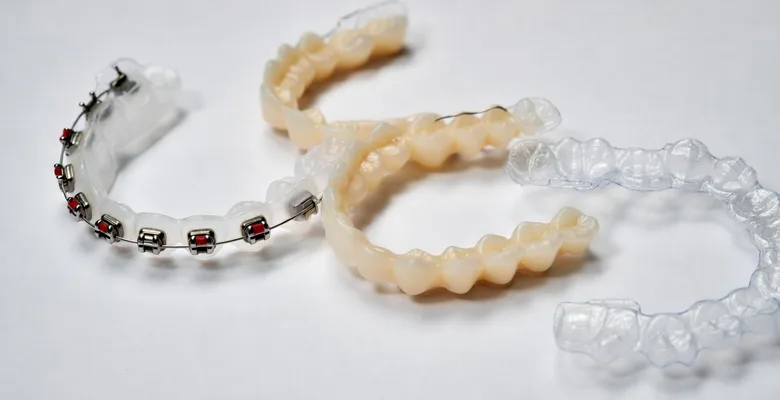
| Lingual braces | $6,000–$10,000 | 18–30 months | Completely hidden (behind teeth) |
| Invisalign | $3,500–$7,500 | 12–18 months | Mild to moderate cases, removable |
| Self-ligating (Damon) | $4,000–$7,000 | 16–22 months | Fewer adjustments needed |
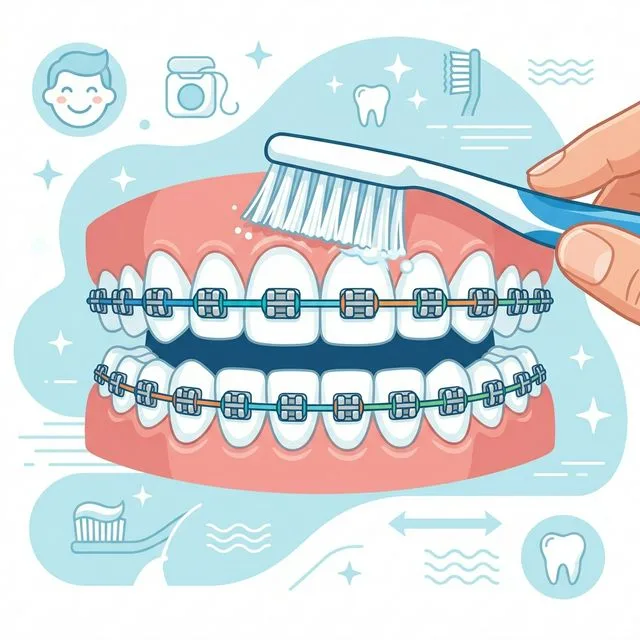
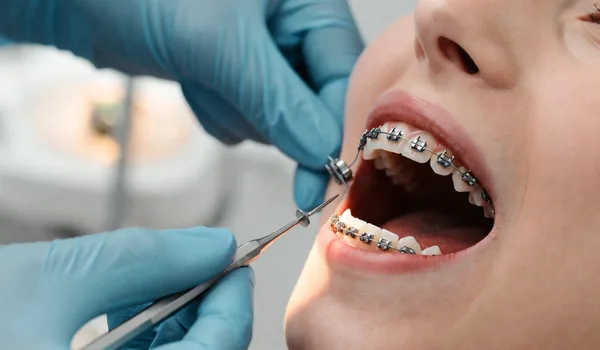
Most people end up going with traditional metal braces — they're still the most effective option for complex cases and the most budget-friendly. Ceramic braces work the same way but blend in more with your teeth, which is why they cost a bit extra.
Invisalign has become incredibly popular in Texas over the last few years, especially in cities like Austin and Dallas where the tech-savvy crowd loves the "invisible" factor. Just know that Invisalign works best for mild to moderate alignment issues. If you've got a serious bite problem, your orthodontist will probably steer you toward traditional braces.
Cost by City: Dallas, Houston, Austin & More
Where you live in Texas makes a real difference. Here's what I'm seeing in 2026 across major cities:
| City | Metal Braces | Invisalign | Notes |
|---|---|---|---|
| Houston | $3,800–$6,000 | $4,000–$7,500 | Highest prices, most options |
| Dallas/Fort Worth | $3,500–$5,800 | $3,800–$7,000 | Very competitive market |
| Austin | $3,800–$5,500 | $4,000–$7,000 | Lots of Invisalign providers |
| San Antonio | $3,200–$5,000 | $3,500–$6,000 | Slightly below average |
| El Paso | $3,000–$4,500 | $3,200–$5,500 | Most affordable major city |
| Lubbock / Amarillo | $2,800–$4,200 | $3,000–$5,000 | Lowest in state, fewer providers |
The pattern is pretty straightforward: bigger city = higher rent for the orthodontist = higher prices for you. That said, bigger cities also have way more competition, which means you can shop around and find deals. Some Houston-area offices run new patient specials during back-to-school season that can knock $500 to $1,000 off your total.
How Texas Compares to Other States
A question I get asked a lot: "Could I save money by going to an orthodontist in another state?" Here's how Texas stacks up:
| State | Average Metal Braces Cost | vs. Texas |
|---|---|---|
| California | $5,000–$8,000 | 30–40% more |
| New York | $5,500–$8,500 | 35–45% more |
| Florida | $4,000–$6,000 | Similar |
| North Carolina | $3,500–$5,500 | Similar |
| Arizona | $3,800–$5,800 | Slightly more |
| Michigan | $4,000–$6,000 | 10–15% more |
| Texas | $3,500–$5,500 | — |
Bottom line: Texas is actually one of the cheaper states for orthodontic work. You're paying less than the coasts but getting access to really strong orthodontists — Texas has some of the best dental schools in the country (UT Health San Antonio, Texas A&M, Baylor). So no, driving to Oklahoma won't save you much.
Insurance, Medicaid & Payment Plans
Dental Insurance
Most dental insurance plans in Texas include some orthodontic coverage, but don't expect it to cover everything. The typical scenario looks like this:
- Lifetime orthodontic maximum: $1,000 to $2,000 (this is a one-time benefit, not annual)
- Coverage percentage: Usually 50% up to the maximum
- Age restrictions: Some plans only cover patients under 18 or 19
- Waiting period: Many plans require you to have the policy for 12 months before orthodontic benefits kick in
So realistically, insurance might take $1,000 to $1,500 off your total bill. Not nothing, but definitely not going to make braces "cheap." Make sure you call your insurance company before your consultation so you know exactly what's covered.
Texas Medicaid (CHIP & STAR)
Here's something a lot of people don't realize: Texas Medicaid does cover braces for kids, but only if the orthodontist can demonstrate medical necessity. Your child needs to score 26 or higher on something called the HLD index (Handicapping Labio-lingual Deviation). Basically, the misalignment needs to be bad enough that it's affecting their ability to eat, speak, or their overall health.
If your child qualifies, Medicaid can cover most or all of the cost. The catch? Not every orthodontist accepts Medicaid in Texas, so you might have to call around. University dental clinics are usually your best bet.
Payment Plans
This is where most families in Texas end up. Almost every orthodontist offers in-house financing — often interest-free. A typical plan looks like:
- Down payment: $250 to $500
- Monthly payments: $99 to $250/month
- Duration: 18 to 24 months (matches treatment length)
- Interest: Usually 0% through the orthodontist's office
Some offices also work with CareCredit or Lending Club for patients who need longer payment terms. Just watch out for the interest rates on those — they can be 15% to 25% APR if you don't pay off the balance in the promotional period.
What Actually Drives Your Price Up or Down
Two people can walk into the same orthodontist's office and get quoted wildly different prices. Here's why:
Complexity of Your Case
A simple crowding case that just needs the front teeth nudged into place? That's on the low end. But if you've got a severe overbite, crossbite, or impacted teeth that need to be guided in, you're looking at more brackets, more wire changes, possibly jaw surgery, and a longer treatment timeline. All of that adds up.
Your Age
Adult braces tend to cost more than kids' braces. Not because the materials are different, but because adult teeth are harder to move (the jaw bone is denser), treatment takes longer, and there are often complicating factors like previous dental work, gum disease, or missing teeth.
The Orthodontist's Experience
A board-certified orthodontist with 20 years of experience in a nice office in Highland Park is going to charge more than a newer orthodontist in Mesquite. You're paying for skill, reputation, and office overhead. That said, newer orthodontists are often excellent — they've got the freshest training, they're hungry to build their practice, and they tend to offer more competitive pricing.
Included Services
Always ask what's included in the quoted price. Some offices bundle everything (X-rays, retainers, adjustments, emergency visits), while others charge separately. A "$3,500 special" that doesn't include retainers ($200–$500) or adjustment visits ($50–$100 each) can end up costing more than a "$4,500 all-inclusive" quote.
Real Ways to Save on Braces in Texas
I don't really believe in "hacks" when it comes to healthcare, but there are some legitimate ways to bring the cost down:
- Get multiple consultations. Most orthodontists offer free initial consultations. Get 3 to 4 quotes. You'd be surprised how much they vary, even within the same city.
- Check dental schools. UT Health San Antonio, Texas A&M College of Dentistry in Dallas, and Baylor College of Dentistry offer orthodontic treatment at 30% to 50% less than private practice. Yes, a resident does the work, but they're supervised by experienced faculty.
- Time your start date. Back-to-school (August–September) and new year (January) are when most offices run specials. Some offer "$500 off" or "$0 down" promos.
- Use an FSA or HSA. If your employer offers a Flexible Spending Account or Health Savings Account, you can pay for braces with pre-tax dollars. On a $5,000 treatment, that saves you roughly $1,000 to $1,500 depending on your tax bracket.
- Ask about a cash discount. Some orthodontists offer 5% to 10% off if you pay the full amount upfront instead of using a payment plan.
- Consider a general dentist for Invisalign. If you're a mild case, some general dentists offer Invisalign at lower prices than orthodontists because their overhead is lower. Just make sure they have plenty of Invisalign experience (look for "Diamond" or "Platinum" provider status).
Are Braces Worth the Investment?
Look, $4,000 to $6,000 is a lot of money — no way around it. But here's the thing: braces are one of the few medical treatments where you carry the results with you for the rest of your life (as long as you wear your retainer).
Straight teeth aren't just about looks. Properly aligned teeth are easier to clean, which means fewer cavities and less gum disease. A corrected bite reduces jaw pain, headaches, and uneven tooth wear. And study after study shows that people with straight teeth earn more, get hired more often, and feel more confident.
Think of it this way: if braces cost $5,000 and you keep your results for 30 years, that works out to about $14 a month. That's less than most streaming subscriptions. And unlike Netflix, the value actually goes up over time.
Frequently Asked Questions
Exploring all your orthodontic options?
Read Our Complete Braces & Orthodontics Guide →