Nobody wants a root canal. They're expensive, time-consuming, and the word itself makes people cringe (even though they're honestly not that bad — more on that in our root canal preparation guide). The good news? The vast majority of root canals are completely preventable.
Root canals happen for one reason: bacteria get inside the tooth and infect the nerve. Your entire prevention strategy comes down to keeping bacteria OUT of the inner tooth. Here's how.
What Actually Causes the Need for a Root Canal
Understanding the enemy helps you fight it. A root canal is needed when the pulp (the nerve and blood vessel tissue inside your tooth) becomes infected or dies. This happens through:
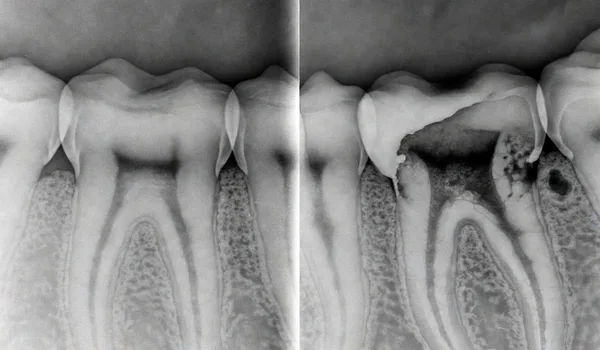
- Progressive decay: A cavity starts small on the enamel surface. If untreated, it eats through the enamel, then the dentin, and eventually reaches the pulp. At that point, the nerve is exposed to bacteria. This is the most common path to a root canal, and it takes months to years — meaning there are multiple opportunities to intervene.
- Cracked/fractured teeth: A crack creates a direct pathway for bacteria to reach the nerve. Cracked teeth are often caused by grinding (bruxism), chewing on hard objects, or trauma. Sometimes the crack is invisible to the naked eye but deep enough to reach the pulp.
- Repeated dental procedures: Each time a tooth is drilled for a filling, the pulp gets a little more irritated. After multiple large fillings or crown preparations, the nerve can become inflamed beyond recovery. This is why keeping your first filling small is so important.
- Trauma: A blow to a tooth can damage the nerve even without visible cracks. The nerve may die slowly over months or years, eventually becoming infected.
9 Ways to Prevent a Root Canal
1. Fix cavities while they're small
This is the single most important prevention strategy. A small cavity caught at your checkup costs $150–$300 to fill. That same cavity ignored for a year or two can grow deep enough to reach the nerve, requiring a $1,000+ root canal plus a $1,000+ crown. A filling takes 20–40 minutes. A root canal takes 1–2 hours. Early treatment wins on every metric.
2. Don't skip dental checkups
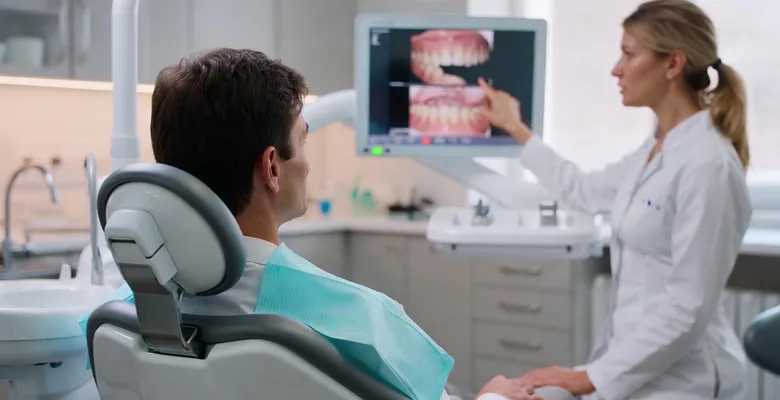
Many cavities don't hurt until they're advanced. Your dentist can spot decay on X-rays when it's still in the enamel — long before it reaches the nerve. Checkups every 6 months (or every 12 months at minimum) catch problems when they're cheap and easy to fix.
3. Use fluoride toothpaste
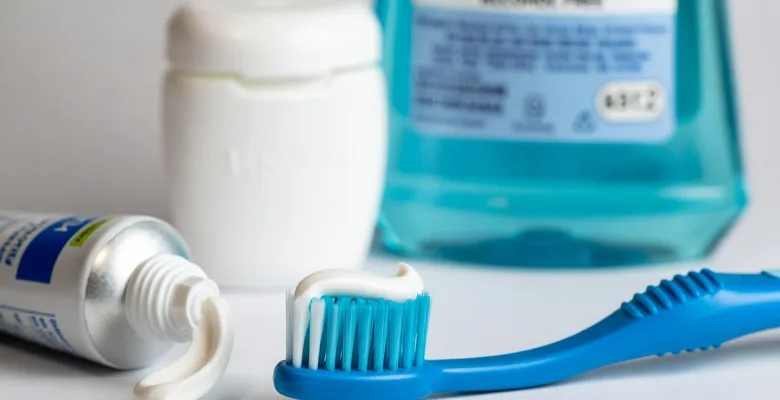
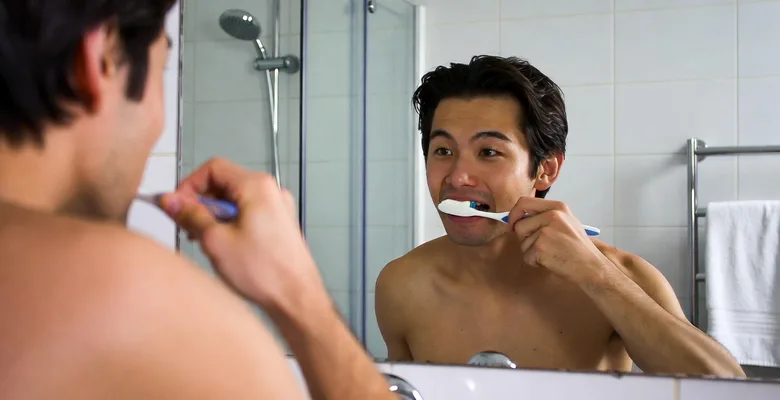
Fluoride strengthens enamel and can even reverse very early cavities (remineralization). Use a toothpaste with at least 1,000 ppm fluoride (basically any major brand — Colgate, Crest, Sensodyne). Brush for a full 2 minutes, twice daily. Spit but don't rinse after brushing — leaving a thin layer of fluoride on your teeth extends the protective effect.
4. Floss daily
Cavities between teeth are extremely common and hard to see without X-rays. Flossing removes plaque and food from these tight spaces that your toothbrush can't reach. Flossing once a day (ideally before bed) significantly reduces your risk of interproximal cavities — the kind that silently progress toward the nerve.
5. Wear a night guard if you grind
Grinding (bruxism) puts enormous force on teeth, leading to cracks, fractures, and worn enamel — all pathways to root canals. A custom night guard from your dentist ($300–$500) protects your teeth while you sleep. Signs you grind: jaw pain in the morning, headaches, worn tooth surfaces, scalloped tongue edges.
6. Don't chew on hard objects
Ice, popcorn kernels, hard candy, pen caps, fingernails — these all cause micro-cracks and sometimes full fractures. One bad crack on a molar can lead straight to a root canal. Treat your teeth like the valuable tools they are, not as bottle openers.
7. Wear a mouthguard for sports
Trauma is a leading cause of root canals in younger people. A $20 mouthguard from the sporting goods store can prevent a $2,000 root canal and crown. If you play any contact sport — basketball, soccer, martial arts, even recreational softball — wear one.
8. Reduce sugar and acid exposure
Bacteria feed on sugar and produce acid that dissolves enamel. It's not just candy — soda, juice, energy drinks, and even dried fruit are major culprits. The frequency matters more than the amount: sipping a soda for 3 hours exposes your teeth to acid for 3 hours straight. Better to drink it in one sitting, then rinse with water.
9. Get sealants on back teeth
Dental sealants are thin coatings applied to the chewing surfaces of molars. They fill in the deep grooves where bacteria hide and are nearly impossible to brush. Sealants reduce cavity risk by up to 80% on those surfaces. They're most commonly placed on children's teeth, but adults with deep grooves benefit too. Cost: $30–$60 per tooth.
Warning Signs You're Heading Toward a Root Canal
If you notice any of these, see your dentist soon — you may still have time to save the tooth with a filling instead of a root canal:
- Lingering sensitivity to hot or cold: If the pain lasts more than 30 seconds after the hot/cold stimulus is removed, the nerve may be inflamed.
- Spontaneous pain: Toothache that comes on without any trigger — especially pain that wakes you up at night.
- Pain when biting: Could indicate a crack or infection at the root tip.
- Darkened tooth: A tooth turning gray or brown may have a dead or dying nerve.
- Swelling or a "pimple" on the gum: A fistula (pus-draining bump) near the root indicates infection.
- Throbbing pain with fever: Active infection requiring urgent treatment.
Prevention vs. Root Canal: The Cost Comparison
| Scenario | Cost | Time in Chair |
|---|---|---|
| Checkup + X-rays (catch it early) | $75–$200 | 30 min |
| Small filling | $150–$300 | 20–40 min |
| Night guard (prevent cracks) | $300–$500 | 2 visits |
| Root canal + crown | $2,000–$3,500 | 3–4 hours over 2–3 visits |
| Extraction + implant | $3,000–$6,000 | Multiple visits over months |
The math is clear: a $200 checkup and a $250 filling saves you a $3,000 root canal. Prevention is always cheaper.
Frequently Asked Questions
Already need a root canal? Get prepared:
Read Our Complete Root Canal Guide →