Teeth whitening is the most requested cosmetic dental procedure in the world. And for good reason — a brighter smile genuinely makes you look younger, healthier, and more confident. But with dozens of products and methods available, choosing the right one feels overwhelming.
Here's the truth: not all whitening methods are equal, and some popular ones don't work at all. This guide cuts through the marketing and tells you what actually whitens teeth, how much it costs, and how to avoid the pitfalls.
Why Teeth Get Yellow
Extrinsic stains (surface)
Stains on the outside of enamel from coffee, tea, red wine, tobacco, berries, curry, and dark sauces. These are the easiest to remove — whitening toothpaste and strips work well on them.
Intrinsic stains (internal)
Discoloration within the tooth structure caused by aging, tetracycline antibiotics (taken during childhood), fluorosis (too much fluoride), or trauma. These require peroxide-based whitening that penetrates the enamel to oxidize internal stains.
Age-related yellowing
A combination of both: enamel thins with age (revealing the naturally yellow dentin underneath), while decades of staining compounds accumulate. This is why even people with excellent hygiene notice their teeth getting yellower over time.
Whitening Methods Compared
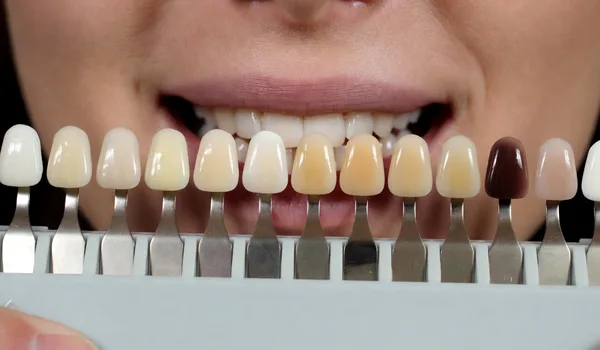
| Method | Cost | Results | Time to See Results | Lasts |
|---|---|---|---|---|
| Whitening strips | $20–$60 | 3–6 shades | 7–14 days | 3–6 months |
| In-office (Zoom, etc.) | $300–$1,000 | 6–10 shades | 1 appointment | 6–12 months |
| Custom trays (dentist) | $250–$500 | 5–8 shades | 2–4 weeks | 6–12 months |
| LED kits | $30–$200 | 2–5 shades | 7–14 days | 3–6 months |
| Whitening toothpaste | $5–$15 | 1–2 shades | 2–6 weeks | While using |
| Whitening pen | $15–$40 | 1–3 shades | 1–2 weeks | 1–3 months |
Whitening Strips Deep Dive
Strips are the most popular at-home whitening option — cheap, accessible, and they actually work. The thin plastic strips are coated with hydrogen peroxide gel that stays against your teeth for a set time.
Two critical questions most people have:
- How long to leave them on? → Almost always 30 minutes. Never overnight.
- How long until results? → Visible improvement in 3–5 days, full results in 14–21 days.
The active ingredient (hydrogen peroxide at 6–14%) penetrates enamel and oxidizes stain molecules through a chemical reaction. Higher concentrations work faster per session but cause more sensitivity.
Tips for best results with strips
- Dry your teeth before applying (improves adhesion)
- Don't use right after brushing (wait 30 minutes)
- Apply before bed — avoid eating/drinking after
- Complete the full course (don't stop after 5 days)
- Use a sensitivity toothpaste during treatment
Professional Whitening
In-office whitening
Your dentist applies high-concentration peroxide (25–40% hydrogen peroxide) with gum protection and activates it with a special light or laser. Results are immediate and dramatic — up to 10 shades in a single 60–90 minute appointment. Cost: $300–$1,000.
The trade-off: higher concentration = more sensitivity. Some patients experience significant sensitivity for 24–48 hours after in-office whitening.
Custom take-home trays
Your dentist makes custom-fitted trays from impressions of your teeth. You fill them with professional-strength gel (10–22% carbamide peroxide) and wear them daily for 2–4 weeks. Results are comparable to in-office with less sensitivity (lower concentration, longer treatment time). This is what most dentists consider the gold standard for home whitening.
What Doesn't Work
- Activated charcoal: No evidence it whitens. It's abrasive and can damage enamel, making teeth appear MORE yellow over time as worn enamel reveals darker dentin.
- Oil pulling (coconut oil): Zero whitening effect. It may slightly reduce bacteria, but it doesn't bleach stains.
- Baking soda alone: Mild surface stain removal from abrasion, but doesn't whiten enamel or penetrate to address internal stains.
- Strawberry + baking soda: The citric acid in strawberries is erosive. Any "whitening" effect is actually enamel etching — temporary and damaging.
- Apple cider vinegar: Highly acidic. It etches enamel. Please don't swish acid on your teeth.
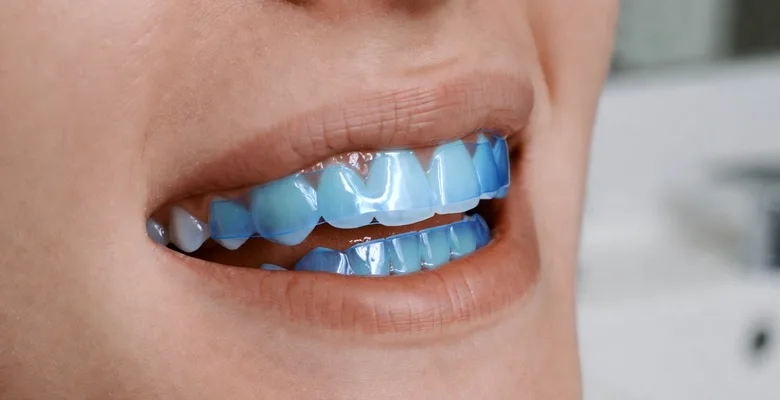
- UV/blue LED lights alone: The light itself doesn't whiten. It's meant to activate a peroxide gel. Light without gel = expensive placebo.
Managing Sensitivity
Whitening sensitivity is caused by hydrogen peroxide temporarily dehydrating the teeth and exposing dentin tubules (tiny channels to the nerve). It's temporary but can be uncomfortable.
- Use a sensitivity toothpaste (Sensodyne) for 2 weeks before starting whitening
- Apply fluoride gel after whitening sessions
- Reduce wear time — 15 minutes instead of 30 if sensitivity is severe
- Skip a day between treatments if needed
- Avoid very hot or cold foods/drinks during treatment
- Consider lower concentration products if sensitive
What Whitening Can't Fix
- Tetracycline stains: Deep gray/brown banding from antibiotics. Whitening may partially improve but can't eliminate. Veneers are often the best solution.
- Dental work: Crowns, veneers, bonding, and fillings don't respond to whitening. You'd need to whiten first, then replace dental work to match.
- Fluorosis: White or brown mottling from excess fluoride during development. Mild cases may improve; severe cases need veneers.
- Dead teeth: A darkened tooth from trauma needs internal bleaching (done during or after root canal) — external whitening won't work.
Maintaining Results
- Use a whitening toothpaste for daily maintenance
- Rinse with water immediately after coffee, tea, or red wine
- Touch up with strips every 3–6 months
- Don't smoke (tobacco is the worst stainer)
- Use a straw for dark beverages (reduces contact with front teeth)
- Regular dental cleanings remove surface stains
Frequently Asked Questions
How long do whitening strips take to work?
Visible whitening results appear within 3–5 days of daily use. Full results typically show after completing a 14–21 day course. Most strips use 6–14% hydrogen peroxide and can lighten teeth by 3–6 shades when used as directed.
Does teeth whitening damage enamel?
When used as directed, peroxide-based whitening products do not permanently damage enamel. They may cause temporary sensitivity and slight enamel dehydration that reverses within days. Avoid overuse and products with very high concentrations without dental supervision.
How long does teeth whitening last?
Professional in-office whitening lasts 6–12 months. Whitening strips results last 3–6 months. Custom tray whitening lasts 6–12 months. Duration depends on diet, smoking, and maintenance. Touch-up treatments every 3–6 months maintain results.
Can you whiten teeth with crowns or veneers?
No. Whitening products only work on natural tooth enamel. Crowns, veneers, bonding, and fillings do not respond to peroxide-based whiteners. If you plan cosmetic work, whiten your natural teeth first, then match the restorations to your new shade.
Explore Our Teeth Whitening Articles
How Long Do Whitening Strips Take to Work?
Day-by-day timeline, brand comparisons, and tips for faster results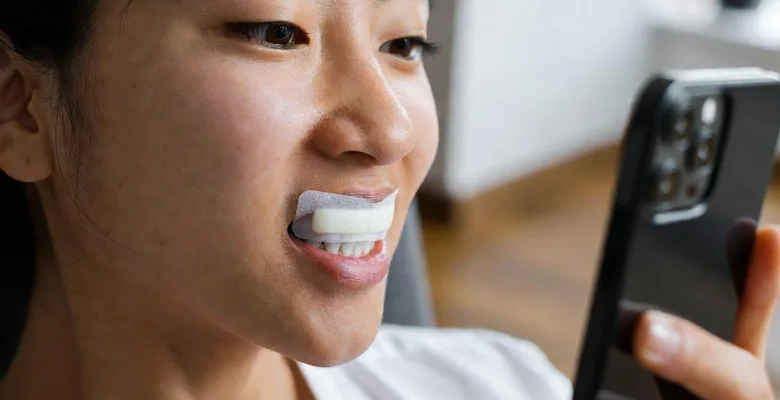
How Long Do I Leave Whitening Strips On?
Exact timing per brand, why more isn't better, and application tipsRelated topics
- Veneers Guide — When whitening isn't enough
- General Dental Guide — Professional cleanings + bonding
- Crowns Guide — Whitening won't work on crowns
- Fillings Guide — Whitening won't work on fillings
- Braces Guide — Whitening after braces