A dental crown is basically a custom-made cap that fits over your entire tooth, restoring its shape, size, strength, and appearance. Think of it as a protective helmet for a damaged tooth. If your tooth is cracked, has a massive filling, or just had a root canal, a crown is often what saves it from extraction.
When Do You Need a Crown?
- After a root canal: Root-canaled teeth lose their blood supply and become brittle. Without a crown, they'll eventually crack and need extraction. This is the most common reason for crowns.
- Large filling replacement: When more than 50–60% of a tooth's structure is filling material, the remaining tooth walls become weak. A crown prevents fracture.
- Cracked or fractured tooth: A crown holds a cracked tooth together and prevents it from splitting further. Cracked teeth are painful — a crown solves both the pain and the structural problem.
- Severely worn teeth: From grinding (bruxism), acid reflux, or erosion.
- Cosmetic improvement: Severely discolored, misshapen, or poorly-formed teeth. Though veneers are often a less invasive option for cosmetic cases.
- On top of dental implants: The crown is the visible "tooth" part of an implant.
- Anchor for a dental bridge: Crowns on adjacent teeth support a bridge to replace a missing tooth.
6 Types of Dental Crowns
| Type | Cost | Lifespan | Best For |
|---|---|---|---|
| All-porcelain/ceramic | $800–$3,000 | 10–15 years | Front teeth (best aesthetics) |
| Zirconia | $1,000–$3,000 | 15–20+ years | Any tooth (strong + aesthetic) |
| Porcelain-fused-to-metal (PFM) | $800–$2,500 | 10–15 years | Back teeth needing strength |
| Gold alloy | $800–$2,500 | 20–40+ years | Back teeth (most durable) |
| Base metal alloy | $600–$1,800 | 15–25 years | Back teeth (budget-strong) |
| Resin | $300–$1,000 | 5–8 years | Temporary/budget option |
Zirconia: the modern workhorse
Zirconia has become the go-to crown material in recent years. It's incredibly strong (rivals metal), looks natural, and works for both front and back teeth. Newer "multi-layered" zirconia crowns have gradient translucency that mimics real teeth beautifully. If you can only remember one material, zirconia is probably your best all-around choice.
Gold: the longevity champion
Gold crowns are the longest-lasting option in dentistry — some last 50+ years. They're gentle on opposing teeth (gold wears at a similar rate to enamel), they require less tooth removal, and they never fracture. The only downside: they're gold-colored. Many patients choose them for back molars that aren't visible when smiling.
Crown Costs
| Scenario | Without Insurance | With Insurance |
|---|---|---|
| Single porcelain/zirconia crown | $800–$3,000 | $400–$1,500 |
| Same-day CEREC crown | $1,000–$3,500 | $500–$1,750 |
| Crown after root canal | $800–$3,000 (crown only) | $400–$1,500 |
| Implant crown | $500–$2,000 (crown only) | $250–$1,000 |
Insurance typically covers crowns at 50% as a "major" procedure. Annual maximums ($1,000–$2,000) often get eaten by a single crown. If you need multiple crowns, consider spacing them across calendar years to maximize insurance benefits.
The Crown Process: 2 Visits vs Same-Day
Traditional 2-visit process
Read the full breakdown in our detailed guide on the crown timeline:
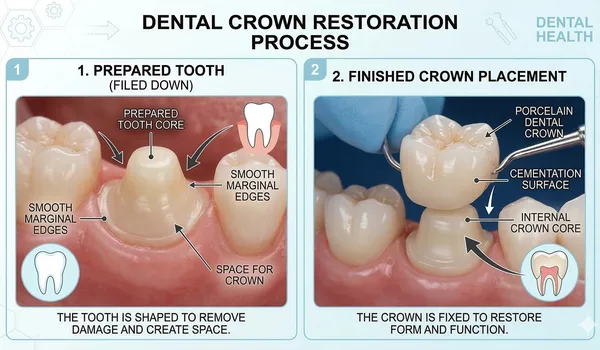
Visit 1 (60–90 min): Numbing → tooth shaping (removing enamel to create space for the crown) → impression/digital scan → temporary crown placement.
Wait 1–3 weeks while the lab fabricates your custom crown.
Visit 2 (30–45 min): Temporary crown removal → trying in the new crown → adjustments → permanent cementation.
Same-day CEREC crown
Some offices have CAD/CAM technology (CEREC) that designs and mills a crown in-office in about 1–2 hours. No temporary crown, no second visit. Cost is slightly higher, but you're done in a single appointment. The quality of CEREC crowns has improved dramatically — they're now comparable to lab-made crowns for most situations.
Temporary Crowns: Survival Guide
If you're living with a temporary crown for 1–3 weeks, it requires some care. We have a full guide on how long temporary crowns last and how to protect them, but the essentials:
- Avoid sticky foods (caramel, gum, taffy) — they pull the temp crown off
- Chew on the opposite side
- Gently floss — pull the floss sideways out (not snapping up) to avoid lifting the crown
- Don't panic if it falls off — clean it, apply temporary dental cement (from any pharmacy), and call your dentist
Pain and Sensitivity
After the tooth is prepared (shaped) for a crown, you can expect:
- 1–3 days: Mild soreness around the tooth and gum, sensitivity to hot and cold
- Week 1–2: Sensitivity improves. The tooth may feel "different" as you adjust to the new shape
- After permanent crown: Bite may feel slightly off for 1–2 days as you adjust. If the "high" feeling persists, call your dentist for a bite adjustment (5-minute fix)
If you develop sharp, spontaneous pain or sensitivity that gets WORSE over time (rather than improving), the tooth's nerve may be inflamed. About 5–10% of crowned teeth eventually need root canals — the preparation process can irritate the nerve.
How Long Do Crowns Last?
The average crown lasts 10–15 years. But with excellent care, many crowns last 20–30 years. Gold crowns can last a lifetime. Factors that affect longevity:
- Material: Gold > zirconia > porcelain > resin
- Grinding (bruxism): Night grinding destroys crowns faster. Wear a night guard.
- Oral hygiene: Crowns don't get cavities, but the tooth underneath can. Decay at the crown margin is the #1 reason crowns fail.
- Habits: Chewing ice, biting nails, opening packages with teeth — all reduce crown lifespan.
Crown Care Tips
- Brush and floss normally — pay extra attention to the gumline where the crown meets the tooth
- Use fluoride toothpaste to protect the exposed root surface at the crown margin
- Avoid chewing hard objects (ice, popcorn kernels, hard candy)
- Wear a night guard if you grind your teeth
- Keep regular dental checkups — your dentist monitors crown integrity and margin seal
Common Crown Problems
- Crown falls off: Usually means the cement failed or the underlying tooth has decayed. Save the crown, call your dentist.
- Dark line at gumline: Common with PFM crowns — the metal core shows as gums recede with age. Replacing with an all-ceramic or zirconia crown solves this.
- Chipped porcelain: Small chips can be polished smooth. Larger fractures may need crown replacement.
- Cavity under crown: Bacteria can get under the crown edge if hygiene is poor. Requires removal, treatment, and a new crown.
Crowns vs. Other Options
| Option | When to Choose |
|---|---|
| Large filling | When less than 50% of tooth structure is lost |
| Inlay/onlay | When damage is moderate — more than a filling, less than a crown |
| Crown | When more than 50% of structure is lost, after root canal, or cracked tooth |
| Veneer | Cosmetic-only changes on front teeth — less tooth removed |
| Implant | When the tooth can't be saved and needs extraction |
Frequently Asked Questions
How long does it take to get a dental crown?
A traditional dental crown requires 2 appointments over 2–3 weeks. The first visit (60–90 min) involves tooth preparation and impressions. You wear a temporary crown while the lab fabricates the permanent one. Same-day CEREC crowns can be completed in a single 2-hour appointment.
How much does a dental crown cost?
Dental crowns cost $800–$3,000 per tooth depending on the material. Porcelain-fused-to-metal crowns cost $800–$1,400, all-ceramic crowns $800–$2,000, zirconia crowns $1,000–$2,500, and gold crowns $1,000–$2,500. Insurance typically covers 50% for medically necessary crowns.
How long do dental crowns last?
Dental crowns last 10–15 years on average, with many lasting 20–30 years with proper care. Zirconia and gold crowns tend to last longest. Regular dental visits, avoiding hard foods, and wearing a night guard if you grind your teeth can extend crown lifespan.
Does getting a crown hurt?
The crown preparation procedure is done under local anesthesia and is painless. You may feel pressure during the tooth filing. After the numbness wears off, mild sensitivity for a few days is normal. Most patients say it's comparable to getting a filling.
Explore Our Crown Articles
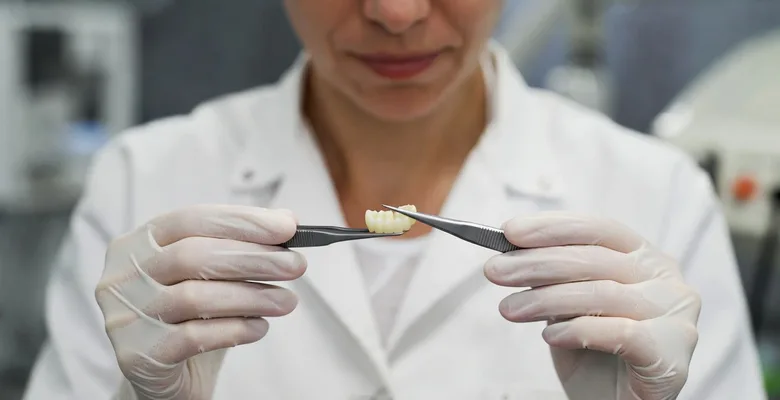
How Long Does It Take to Get a Crown?
The 2-visit process, same-day options, and what to expect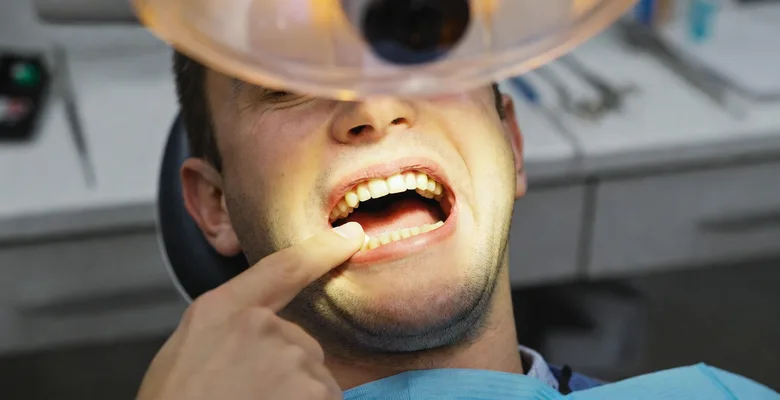
How Long Can a Temporary Crown Last?
Survival tips, what to eat, and when to worryRelated topics
- Root Canal Guide — Most crowns follow root canal treatment
- Fillings Guide — When a filling is enough vs. needing a crown
- Dental Implants Guide — When the tooth can't be saved
- Veneers Guide — Less invasive alternative for cosmetic cases
- Tooth Pain Guide — Managing crown-related discomfort
- General Dental Guide — Routine care to prevent crown-needing decay