Veneers are the secret behind those impossibly perfect celebrity smiles. They're thin shells of porcelain or composite resin that are bonded directly to the front surface of your teeth, instantly transforming color, shape, size, and alignment. One procedure can fix years of cosmetic concerns — gaps, chips, discoloration, misshapen teeth, and mild crowding.
But veneers are also irreversible, expensive, and not right for everyone. This guide gives you everything you need to make an informed decision.
What Are Veneers?
Dental veneers are ultra-thin shells (0.3–0.7mm for porcelain, 0.3–0.5mm for "no-prep" versions) custom-made to fit over the front surface of your teeth. Think of them as a permanent cosmetic cover — like a press-on nail, but for your teeth, bonded with dental cement that lasts years.
Unlike crowns (which cover the entire tooth), veneers only cover the visible front surface. This means less tooth structure is removed — making them a more conservative cosmetic option.
Types of Veneers
| Type | Cost Per Tooth | Lifespan | Tooth Prep | Appearance |
|---|---|---|---|---|
| Porcelain (traditional) | $1,000–$2,500 | 15–20 years | 0.5–0.7mm removed | Excellent — translucent like enamel |
| Porcelain (no-prep/Lumineers) | $800–$2,000 | 10–15 years | Minimal/none | Good, slightly thicker |
| Composite | $250–$800 | 5–7 years | Minimal | Good, but stains over time |
| Pressed ceramic (e.max) | $1,200–$3,000 | 15–25 years | 0.3–0.5mm | Exceptional |
| Snap-on (temporary) | $300–$1,500 | 2–5 years | None | Moderate |
Porcelain: the gold standard
Porcelain veneers are handcrafted by a dental ceramist. They reflect light like natural enamel, resist staining (better than your natural teeth!), and last 15–20 years. The trade-off: enamel must be removed from the front of your teeth, making the process irreversible. Once you commit to porcelain veneers, your teeth will always need veneers or crowns.
Composite: the affordable option
Composite veneers are sculpted directly onto your teeth in a single appointment — the same material used in tooth-colored fillings. They're cheaper and faster, but they stain more easily, chip more frequently, and last 5–7 years versus porcelain's 15–20. Many people start with composite and upgrade to porcelain later.
Costs Worldwide
| Location | Cost Per Tooth (Porcelain) |
|---|---|
| United States | $1,000–$2,500 |
| Canada | $900–$2,200 |
| UK | £400–£1,000 |
| Mexico | $350–$600 |
| Colombia | $300–$500 |
| Turkey | $250–$450 |
| Thailand | $300–$500 |
Dental tourism for veneers is extremely popular — especially Mexico, Turkey, and Colombia. Full pricing analysis: How Much Are Veneers in Mexico? →
Important: Veneers are almost never covered by dental insurance (considered cosmetic). Some exceptions: veneers placed after trauma may be partially covered.
The Veneer Process
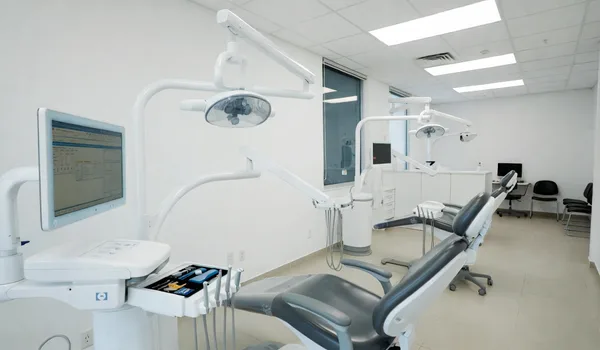
Visit 1: Consultation and planning
Your dentist examines your teeth, discusses goals, takes X-rays and photos, and may create a "mock-up" (a preview of what your veneers will look like using temporary material or digital imaging). This is your chance to communicate exactly what you want — shade, shape, size, and style.
Visit 2: Preparation
A thin layer of enamel is removed from the front of each tooth (0.3–0.7mm depending on the type). Impressions or digital scans are taken and sent to the lab. Temporary veneers are placed while you wait 1–3 weeks for your custom porcelain veneers. This step is similar to temporary crown placement.
Visit 3: Bonding
Temporaries are removed. Each veneer is tried on, checked for fit and color, adjusted if needed. Once approved, the teeth are etched, primer is applied, and the veneers are permanently bonded with light-cured cement. Final shaping and polishing. You leave with your new smile.
Pros and Cons
Pros
- Dramatic cosmetic improvement in just 2–3 appointments
- Natural appearance — porcelain mimics real enamel
- Stain-resistant (porcelain resists coffee, wine, tea better than natural teeth)
- Fix multiple issues at once: color, shape, gaps, chips, mild misalignment
- Conservative: Less tooth removal than crowns
- Long-lasting: Porcelain veneers last 15–20 years
Cons
- Irreversible: Enamel removal means your teeth will always need veneers or crowns
- Expensive: 6–10 veneers = $6,000–$25,000 in the US
- Not covered by insurance: You pay out of pocket
- Can chip: Porcelain is strong but not indestructible — avoid biting hard objects
- Sensitivity: Some patients experience mild sensitivity after enamel removal
- Don't fix underlying problems: Gum disease, decay, and bite issues must be treated first
Are You a Good Candidate?
Good candidates
- Healthy teeth and gums
- Adequate enamel for bonding
- Cosmetic concerns: staining, chips, gaps, mild misalignment, worn edges, uneven teeth
- Realistic expectations
Not ideal candidates
- Severe tooth grinding (bruxism) — will fracture veneers unless you wear a night guard
- Severely misaligned teeth — braces or aligners first
- Large cavities or significant decay — needs fillings or crowns instead
- Active gum disease — treat first
- Insufficient enamel (excessive wear, previous prep)
Can You Whiten Veneers?
No. Veneers do not respond to whitening treatments — peroxide-based products only affect natural tooth structure. Here's the full explanation and your options: Can You Whiten Veneers? Your Options Explained →
If your natural teeth have yellowed while your veneers stayed the same shade, you can whiten your natural teeth to match the veneers. If the veneers themselves are stained or discolored, professional cleaning can remove surface stains, but deep discoloration requires veneer replacement.
How Long Do They Last?
- Porcelain veneers: 15–20 years average (some last 25+)
- Composite veneers: 5–7 years average (some last 10)
- No-prep/Lumineers: 10–15 years
- Pressed ceramic (e.max): 15–25 years
When veneers eventually need replacement (from wear, chipping, or gum recession exposing the margin), the process is similar to the initial placement.
Care and Maintenance
- Brush with non-abrasive toothpaste (avoid whitening toothpastes with harsh abrasives)
- Floss daily — veneers don't protect against gum disease
- Avoid biting very hard objects (ice, bone, hard candy, pen caps)
- Don't use your teeth as tools
- Wear a night guard if you grind your teeth
- Regular dental checkups — your dentist monitors veneer integrity and gum health
- Avoid excessive alcohol-based mouthwash (can break down bonding cement over time)
Veneers vs. Other Cosmetic Options
| Goal | Best Option |
|---|---|
| Whiter teeth only | Teeth whitening |
| Fix 1–2 chips | Dental bonding |
| Close small gaps | Veneers or bonding |
| Fix alignment | Braces/aligners |
| Complete smile makeover | Porcelain veneers |
| Severe damage/decay | Crowns |
Frequently Asked Questions
How much do veneers cost?
Porcelain veneers cost $1,000–$2,500 per tooth in the US. A full smile makeover (6–10 veneers) costs $6,000–$25,000. Composite veneers are cheaper at $250–$800 per tooth. Dental tourism options in Mexico or Turkey offer porcelain veneers at $250–$600 per tooth.
How long do veneers last?
Porcelain veneers last 15–20 years with proper care, with some lasting 25+ years. Composite veneers last 5–7 years. No-prep veneers like Lumineers last 10–15 years. When veneers need replacement, the process is similar to initial placement.
Are veneers permanent?
Traditional porcelain veneers are irreversible because enamel must be removed for placement. Your teeth will always need veneers or crowns afterward. No-prep veneers (Lumineers) require minimal to no enamel removal and are technically reversible, though this is uncommon.
Can you whiten veneers?
No. Veneers do not respond to whitening treatments — peroxide products only work on natural tooth enamel. Options for discolored veneers include professional polishing for surface stains, whitening your natural teeth to match, or replacing the veneers with a new shade.
Explore Our Veneer Articles
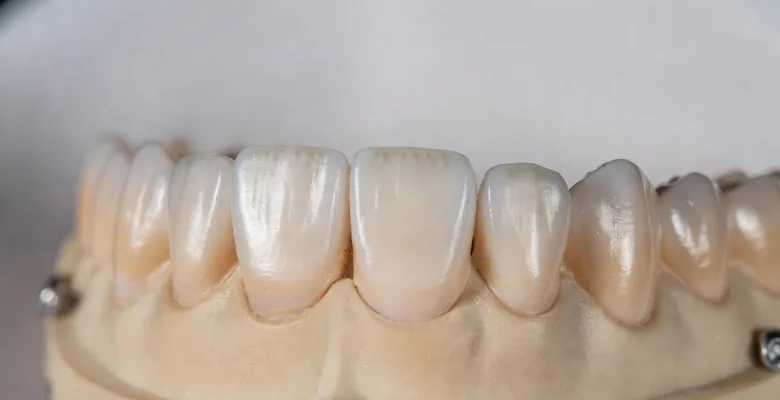
How Much Are Veneers in Mexico?
City-by-city pricing, dental tourism tips, and quality assessment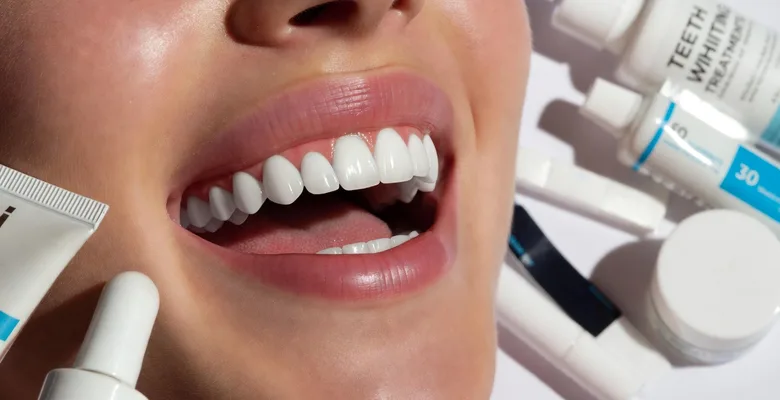
How to Whiten Veneers
What works, what doesn't, and your options explainedRelated topics
- Teeth Whitening Guide — Less invasive option for color improvement
- Crowns Guide — More extensive option for damaged teeth
- Braces Guide — Fix alignment before (or instead of) veneers
- General Dental Guide — Bonding as a simpler cosmetic fix
- Fillings Guide — Fixing decay before cosmetic work