Nobody wants to lose a tooth. But sometimes extraction is genuinely the best option — when a tooth is too damaged to save, when infection threatens your health, or when keeping a severely compromised tooth would cause more problems down the road. Understanding the process, recovery, and replacement options takes the fear out of the equation.
When Is Extraction Necessary?
- Severely decayed tooth: When decay has destroyed so much tooth structure that a filling, crown, or root canal can't save it.
- Cracked below the gumline: A vertical root fracture is usually non-repairable.
- Advanced gum disease: When bone loss has left the tooth too loose to function.
- Failed root canal: When retreatment isn't viable.
- Impacted wisdom teeth: The most common extraction.
- Orthodontic treatment: Sometimes premolars are extracted to create space for braces.
- Dental abscess: When infection can't be controlled and the tooth is non-restorable.
Simple vs. Surgical Extraction
| Feature | Simple Extraction | Surgical Extraction |
|---|---|---|
| When used | Tooth fully visible above gumline | Broken, impacted, or below gumline |
| Anesthesia | Local only | Local + possible sedation |
| Instruments | Elevator + forceps | Scalpel, drill, elevator, forceps |
| Duration | 5–15 minutes | 20–60 minutes |
| Recovery | 2–3 days | 5–10 days |
| Cost | $75–$300 | $225–$700 |
| Stitches | Usually not | Usually yes |
The Procedure
Simple extraction
- Local anesthesia numbs the area
- An elevator loosens the tooth in its socket
- Forceps grip and rock the tooth back and forth to widen the socket
- The tooth is lifted out
- Gauze is placed for bleeding control
It's faster than most people expect. The numbing injection is usually the most uncomfortable part.
Surgical extraction
- Anesthesia (local + possible IV sedation)
- Gum tissue is reflected (folded back) to access the tooth
- Bone may be removed if it covers the tooth
- The tooth may be sectioned (cut into pieces) for easier removal
- Root pieces are carefully extracted
- The site is cleaned and may receive bone graft material
- Stitches close the site
Recovery Timeline
| Time | What to Expect | Key Do's and Don'ts |
|---|---|---|
| Hours 1–4 | Bleeding, numbness wearing off | Bite on gauze 30–45 min, don't spit or rinse |
| Day 1 | Swelling begins, mild pain | Ice packs, prescribed meds, soft/cold foods |
| Day 2–3 | Peak swelling, bruising possible | Continue ice, gentle salt water rinses (start day 2) |
| Day 4–7 | Swelling decreasing, pain improving | Switch to warm compresses, softer normal foods |
| Week 2 | Mostly healed, stitches dissolve/removed | Resume normal eating carefully |
| Week 3–4 | Soft tissue healed | Bone healing continues for months |
If sleeping is difficult after extraction, keep your head elevated on extra pillows and take ibuprofen before bed.
Dry Socket Prevention
Dry socket occurs when the blood clot in the extraction site dislodges, exposing bone. It causes severe pain starting 3–5 days after extraction. Prevention:
- No smoking for at least 72 hours (ideally 1 week)
- No straws for 1 week — the suction dislodges the clot
- No vigorous rinsing or spitting for 24 hours
- No exercise for 3–4 days
- Eat soft foods, avoid crunchy/seedy foods near the site
Costs
| Service | Cost Range |
|---|---|
| Simple extraction | $75–$300 |
| Surgical extraction | $225–$700 |
| Wisdom tooth (impacted) | $300–$700 per tooth |
| All 4 wisdom teeth | $1,000–$3,000 |
| Bone graft (socket preservation) | $250–$1,000 |
| Sedation (IV) | $250–$900 |
Insurance typically covers medically necessary extractions at 50–80%. Wisdom tooth removal is almost always considered medically necessary when impacted.
Dealing With a Broken Tooth
A broken tooth is one of the most common dental emergencies. Whether it broke from biting something hard, trauma, or decay weakening the structure — here's what to do. Detailed guide: How to Handle a Broken Tooth (Emergency Guide) →
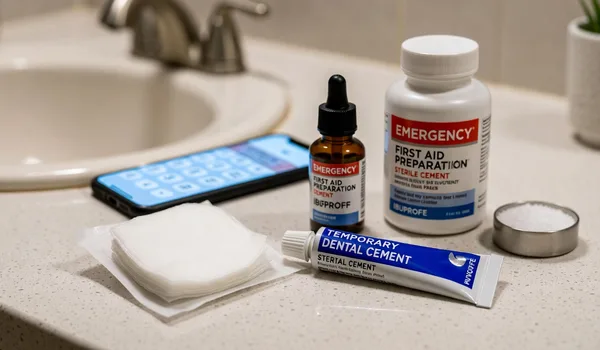
Important: Do NOT attempt to pull a broken tooth yourself. Home extraction risks infection, jaw damage, and leaving root fragments behind. See a dentist or ER. While waiting: rinse with salt water, take ibuprofen, and apply dental cement if available.
Loose Teeth in Adults
A loose tooth in an adult is never normal (unlike kids). It signals an underlying problem — usually advanced gum disease or trauma. Our loose tooth guide covers causes, temporary stabilization, and professional treatment options. The key: see a dentist quickly. Some loose teeth can be saved; others need extraction.
Tooth Replacement Options
After extraction (unless it's a wisdom tooth), you need to replace the missing tooth to prevent shifting, bone loss, and bite problems.
| Option | Cost | Lifespan | Best For |
|---|---|---|---|
| Dental implant | $3,000–$6,000 | 25+ years | Long-term, best function |
| Bridge | $2,000–$5,000 | 10–15 years | When implant isn't possible |
| Partial denture | $1,000–$3,000 | 5–10 years | Budget option, multiple teeth |
| Flipper (temporary) | $300–$600 | 1–2 years | While waiting for implant |
Frequently Asked Questions
How long does it take to recover from a tooth extraction?
Simple extraction recovery takes 2–3 days for most discomfort to resolve, with full soft tissue healing in 1–2 weeks. Surgical extraction recovery takes 5–10 days for initial healing. Complete bone healing takes 3–6 months, though daily activities can resume within a few days.
What is dry socket and how do you prevent it?
Dry socket occurs when the blood clot in the extraction site dislodges, exposing bone and nerves. It causes severe pain 3–5 days after extraction. Prevention: don't smoke for 72+ hours, avoid straws for a week, don't spit vigorously, eat soft foods, and skip strenuous exercise for 3–4 days.
How much does a tooth extraction cost?
Simple extractions cost $75–$300 per tooth. Surgical extractions cost $225–$700. Impacted wisdom teeth cost $300–$700 each, or $1,000–$3,000 for all four. Insurance typically covers 50–80% of medically necessary extractions.
Should I get an implant after tooth extraction?
For non-wisdom teeth, replacement is strongly recommended to prevent bone loss, tooth shifting, and bite problems. Dental implants ($3,000–$6,000) are the gold standard, offering 25+ year lifespan. Bridges and partial dentures are alternatives if implants aren't possible.
Explore Our Tooth Extraction Articles
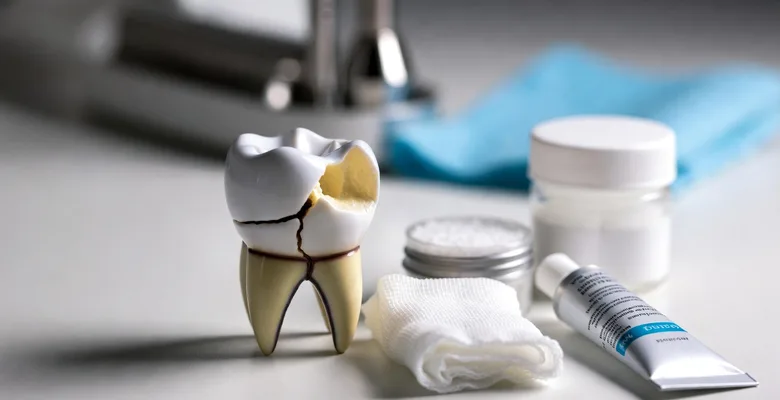
How to Handle a Broken Tooth at Home
Emergency steps, pain management, and when to go to the ER
How to Tighten a Loose Tooth Fast
Causes, temporary stabilization, and professional treatmentsRelated topics
- Dental Implants Guide — The gold standard replacement after extraction
- Wisdom Teeth Guide — The most common extraction
- Root Canal Guide — Saving a tooth vs extracting it
- Tooth Pain Guide — Pain management during recovery
- Gum Health Guide — Gum disease is the #1 cause of adult tooth loss
- Crowns Guide — Saving damaged teeth before extraction is needed