General dentistry is the foundation of everything else in this website. Without regular checkups and good daily hygiene, every other topic — fillings, crowns, root canals, gum treatment — becomes a reactive firefight instead of proactive care. The data is crystal clear: people who see a dentist regularly spend less money on dental care over their lifetime than those who only go when something hurts.
What Happens at a Dental Checkup
A routine checkup includes several components, each serving an important diagnostic purpose:
- Medical history review: Updates on medications, health changes, and concerns
- Visual examination: Your dentist checks every tooth surface, existing fillings, crowns, and soft tissues (tongue, cheeks, palate) for abnormalities including oral cancer screening
- X-rays (if due): Bitewing X-rays every 6–12 months detect cavities between teeth, bone loss from gum disease, and problems under existing dental work. Panoramic X-rays every 3–5 years show the full picture including wisdom teeth, jaw, and sinuses.
- Periodontal assessment: Using a probe to measure gum pocket depths around each tooth. Healthy: 1–3mm. 4mm+: early gum disease. 5mm+: needs treatment.
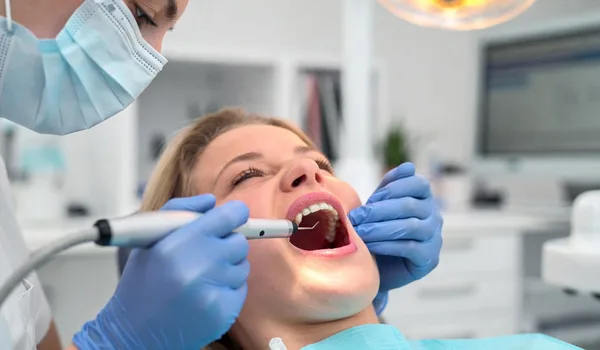
- Professional cleaning (prophylaxis): Ultrasonic and hand instruments remove plaque and calculus (tartar) that brushing can't remove, followed by polishing and fluoride treatment.
- Treatment plan discussion: Any issues found are explained with treatment options, costs, and priorities.
Full breakdown of timing: How Long Is a Dentist Appointment? →
How Often Should You Go?
| Risk Level | Recommended Frequency | Who |
|---|---|---|
| Low risk | Every 6–12 months | Healthy gums, no history of cavities, good hygiene |
| Moderate risk | Every 6 months | History of cavities, smokers, chronic conditions |
| High risk | Every 3–4 months | Active gum disease, diabetes, immunocompromised, pregnancy |
The traditional "every 6 months" recommendation works for most people. But if you have a history of gum disease, your dentist may recommend more frequent visits to maintain periodontal health.
Appointment Types and Lengths
| Appointment Type | Duration | Cost (Without Insurance) |
|---|---|---|
| Routine checkup + cleaning | 30–60 min | $100–$300 |
| First visit / comprehensive exam | 60–90 min | $150–$400 |
| X-rays (bitewing) | 5–10 min | $25–$50 |
| X-rays (panoramic) | 5 min | $100–$250 |
| Filling | 20–40 min | $100–$400 |
| Crown prep | 60–90 min | $800–$3,000 |
| Root canal | 60–90 min | $700–$1,600 |
| Extraction | 20–45 min | $75–$700 |
| Whitening (in-office) | 60–90 min | $300–$1,000 |
| Tooth bonding | 30–60 min per tooth | $300–$600 |
Tooth Bonding
Dental bonding is one of the most versatile and affordable cosmetic procedures. The dentist applies tooth-colored composite resin directly to the tooth to repair chips, close gaps, reshape teeth, cover stains, or protect exposed roots from recession.
It's the same material used in composite fillings — sculpted by hand and hardened with UV light. No lab work, no impressions, usually done in a single visit. Think of it as the quick, affordable alternative to veneers for minor cosmetic fixes.
Complete cost breakdown: How Much Does Tooth Bonding Cost? →
The Perfect Oral Hygiene Routine
Morning routine (3 minutes)
- Floss first: Removes overnight bacterial build-up between teeth
- Brush for 2 minutes: Fluoride toothpaste, soft brush, 45° angle at gumline, gentle circular motions. Electric toothbrush preferred.
- DON'T rinse after brushing: Spit but let the fluoride sit on your teeth. Rinsing washes away the fluoride — this is the #1 hygiene habit people get wrong.
Evening routine (4 minutes)
- Floss thoroughly: Get under the gumline with a C-shape around each tooth
- Brush for 2 minutes: Same technique as morning
- Mouthwash (optional): Use at a separate time from brushing — mouthwash dilutes the fluoride. If you want mouthwash, use it after lunch instead.
Common mistakes
- Brushing too hard: Causes gum recession and enamel wear. Light pressure only.
- Using a hard-bristle brush: Always use soft or extra-soft.
- Rinsing after brushing: Washes away the fluoride that protects you.
- Skipping back teeth: The most cavity-prone area.
- Only brushing (no flossing): Brushing only cleans 60% of tooth surfaces. The other 40% — the sides between teeth — need floss.
Choosing a Dentist
- Check credentials: DDS or DMD degree, state license, any specialty certifications
- Read reviews — but focus on patterns, not individual complaints
- Visit the office: Is it clean? Is the staff friendly? Do they explain things clearly?
- Ask about technology: Digital X-rays (less radiation), intraoral cameras, CEREC for same-day crowns
- Verify insurance participation (if applicable)
- Ask about emergency availability — will they see you on short notice for a toothache?
- Consider convenience: location, hours, appointment availability
Dental Insurance 101
| Coverage Type | What's Covered | Typical Coverage % |
|---|---|---|
| Preventive | Cleanings, exams, X-rays | 80–100% |
| Basic | Fillings, extractions, root canals | 50–80% |
| Major | Crowns, bridges, implants | 50% |
| Orthodontic | Braces, aligners | 50% (often separate lifetime max) |
| Cosmetic | Veneers, whitening | 0% (not covered) |
Annual maximum: Most dental plans cap benefits at $1,000–$2,000 per year. A single crown can exhaust your annual maximum. Strategy: schedule major work across calendar years.
Dental Anxiety
About 36% of people have dental anxiety, and 12% have full dental phobia. It's real, valid, and manageable. Strategies that work:
- Communicate: Tell your dentist. They deal with anxious patients daily and can adjust their approach.
- Agree on a signal: Raise your hand if you need a break. This gives you control.
- Noise-canceling headphones/music: The drill sound is a major anxiety trigger. Music helps significantly.
- Sedation options: Nitrous oxide (laughing gas), oral sedation, IV sedation — ask your dentist what's available.
- Start small: If you've avoided the dentist for years, book just a consultation first — no treatment, just talking.
- Morning appointments: Less time to build anxiety throughout the day.
If you need a root canal or other procedure and feel anxious, our preparation guide includes anxiety management techniques.
Dental Care for Kids
- First visit: By age 1 or within 6 months of the first tooth
- Brushing: Parent-assisted brushing until age 6–7 (they lack the dexterity for effective brushing)
- Fluoride: Use a rice-grain-sized smear of fluoride toothpaste from the first tooth. Pea-sized from age 3.
- Sealants: Applied to permanent molars when they erupt (around ages 6 and 12). Reduces cavities by 80%.
- Orthodontic evaluation: First assessment by age 7 to determine if braces will be needed.
- Habits: Thumb-sucking should stop by age 4 to prevent bite problems. Avoid putting babies to bed with bottles of milk/juice (causes "bottle caries").
Frequently Asked Questions
How often should you go to the dentist?
Most people should visit the dentist every 6 months for a checkup and cleaning. Those with gum disease, diabetes, or weakened immune systems may need visits every 3–4 months. Low-risk patients with excellent oral health may extend to once yearly, per their dentist's recommendation.
How long is a dental appointment?
A routine checkup and cleaning takes 30–60 minutes. First visits with comprehensive exams take 60–90 minutes. Fillings take 20–40 minutes, crown preparations 60–90 minutes, and root canals 60–90 minutes. Professional whitening takes 60–90 minutes.
How much does tooth bonding cost?
Dental bonding costs $300–$600 per tooth, making it one of the most affordable cosmetic procedures. It's done in a single visit without lab work. Compared to veneers ($1,000–$2,500 per tooth), bonding is significantly cheaper but doesn't last as long (5–7 years vs 15–20 years).
What should I do about dental anxiety?
Communicate your anxiety to your dentist — they can adjust their approach. Effective strategies include noise-canceling headphones, agreeing on a stop signal, morning appointments, starting with just a consultation, and sedation options (nitrous oxide, oral sedation, or IV sedation). About 36% of people experience dental anxiety.
Explore Our General Dental Articles
How Long Is a Dentist Appointment?
Timing for 15 different visit types and time-saving tips
How Much Does Tooth Bonding Cost?
Costs by procedure type, insurance, bonding vs veneers comparisonRelated topics
- Fillings Guide — Treating cavities found at checkups
- Gum Health Guide — Preventing and treating gum disease
- Teeth Whitening Guide — Cosmetic improvement options
- Braces Guide — Orthodontic evaluation and treatment
- Tooth Pain Guide — When to call your dentist
- Crowns Guide — Restoring damaged teeth
- Veneers Guide — Cosmetic smile transformation